South Korea to Regulate Stablecoins Under Forex Law, Bank Says
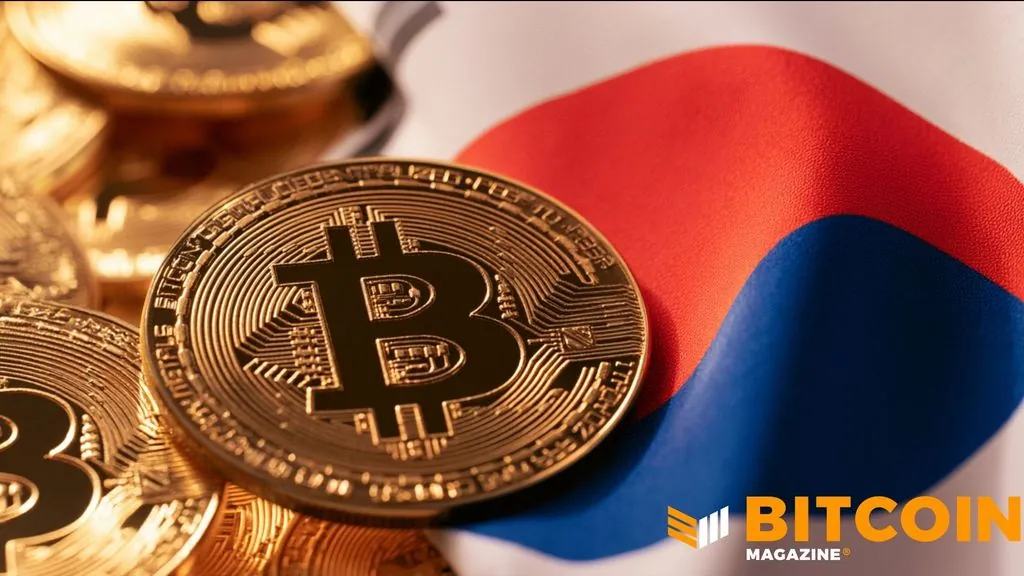
The Bank of Korea told lawmakers it will draft a forex law amendment this year to classify stablecoins as payment instruments rather than legal tender. The move signals tighter cross-border controls and sets the stage for compliance rules around stablecoin transfers.
Written by CoinArticle’s AI Newsroom · from 2 cited sources. How we work
Regulatory Framework Emerging
The Bank of Korea informed lawmakers it will draft a forex law amendment during 2024 to regulate stablecoins as a means of payment, according to Bitcoin Magazine. The Bank stopped short of proposing legal-tender status for stablecoins, instead framing them as payment instruments subject to existing foreign exchange controls and oversight.
The announcement comes as South Korea debates a broader digital asset tax regime and a comprehensive cryptocurrency bill. Classifying stablecoins under forex law rather than banking or payment-system law signals the central bank's intent to tighten monitoring of cross-border stablecoin flows rather than grant them parity with the won or other official currencies.
Implications for Cross-Border Transactions
Stablecoins regulated as payment instruments under forex law would be subject to South Korea's existing foreign exchange rules, which impose reporting requirements and transaction limits on cross-border transfers. Crypto Briefing noted the move could reshape the country's financial landscape by creating clearer compliance pathways for stablecoin issuers and users but also tightening controls on capital movements.
The timing reflects broader regulatory pressure in Seoul. South Korea has struggled for years to impose a consistent tax framework on cryptocurrency gains, and lawmakers are simultaneously weighing a dedicated digital asset bill. The Bank of Korea's forex-law approach may serve as a pragmatic middle ground — establishing stablecoin oversight without waiting for a comprehensive crypto statute.
Why It Matters
For Traders
South Korean exchanges will need to comply with new forex reporting and limits on stablecoin-to-won pairs; expect clearer operational guidelines but potentially reduced cross-border stablecoin mobility.
For Investors
Regulatory clarity around stablecoin classification as payment instruments rather than securities or currencies reduces legal uncertainty for issuers and custodians operating in South Korea.
For Builders
Protocols integrating stablecoins into South Korean payments rails should prepare for forex-law compliance requirements including KYC, transaction reporting, and possible transfer caps on cross-border flows.
This article is for information only and is not financial advice. Read the full disclaimer.