Tether's T3 FCU Freezes Exceed $450M in Illicit USDT Since 2024 Launch
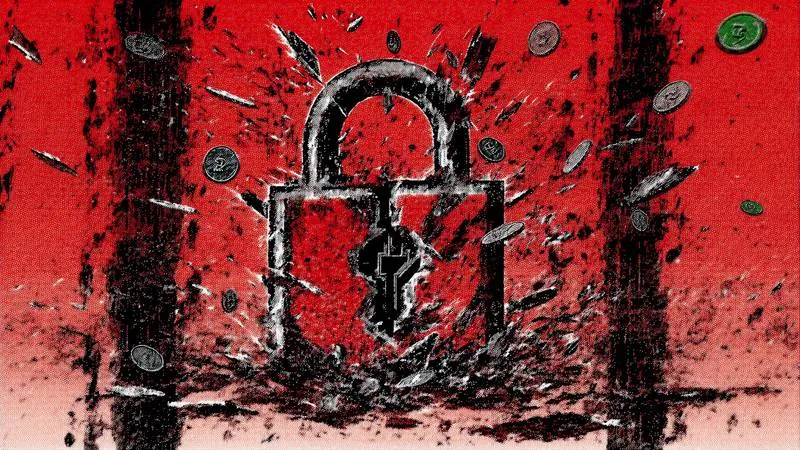
The T3 Financial Crime Unit, a joint initiative by Tether, TRON, and TRM Labs, has frozen more than $450 million in illicit USDT since launching in 2024. The coalition uses on-chain analytics to identify and block stablecoins tied to fraud, sanctions violations, and other criminal activity.
Written by CoinArticle’s AI Newsroom · from 1 cited source. How we work
The Freeze Milestone
The T3 Financial Crime Unit surpassed $450 million in frozen USDT this year, according to Tether. The consortium, which launched in 2024 as a collaboration between Tether, TRON, and blockchain analytics firm TRM Labs, uses on-chain monitoring to identify and block stablecoins linked to illicit activity before they move across wallets or exchanges.
How T3 FCU Operates
The unit combines Tether's direct control over USDT issuance with TRM Labs' transaction monitoring and TRON's role as a major blockchain network where USDT circulates. When the coalition identifies addresses associated with fraud, sanctions violations, theft, or other financial crimes, it flags them for blacklisting. Tether then freezes the tokens at the smart-contract level, rendering them immobilized on-chain.
Context and Scale
The $450 million figure represents the cumulative freeze total since T3 FCU's inception earlier this year. Tether has previously stated that freezing illicit USDT is a compliance priority, and the coalition's existence reflects growing cooperation between stablecoin issuers and blockchain security firms to prevent abuse. The frozen amount underscores both the scale of illicit activity in stablecoin flows and the infrastructure now deployed to counter it.
Why It Matters
For Traders
Tether's active freezing of flagged addresses may increase slippage on illicit-adjacent trading pairs and reinforces USDT's regulatory compliance posture.
For Investors
Tether's willingness to freeze tokens on-chain demonstrates commitment to law enforcement cooperation and may reduce regulatory pressure on the stablecoin.
For Builders
Protocols and dApps integrating USDT should monitor T3 FCU's methodology to understand which on-chain heuristics trigger freezes and adjust user experience accordingly.
This article is for information only and is not financial advice. Read the full disclaimer.