Tokenized Real-World Assets Hit $34.5B; Most See Minimal Trading
Tokenized real-world assets reached $34.5 billion by end of August, with Treasury funds representing half the market but turning over just 0.006% of supply monthly. Equities, though only 8% of the market, generated 93% of spot trading volume, revealing sharp disparities in asset activity.
Written by CoinArticle’s AI Newsroom · from 2 cited sources. How we work
Market Size and Composition
Tokenized real-world assets reached $34.5 billion by the end of August, according to a Dune report published Wednesday. Tokenized Treasury funds comprise approximately half the total market capitalization. A separate RWA Foundation report identified 10,322 distinct tokenized real-world assets in existence, indicating broad tokenization across asset classes despite the concentration of value in a few categories.
Extreme Variance in Trading Activity
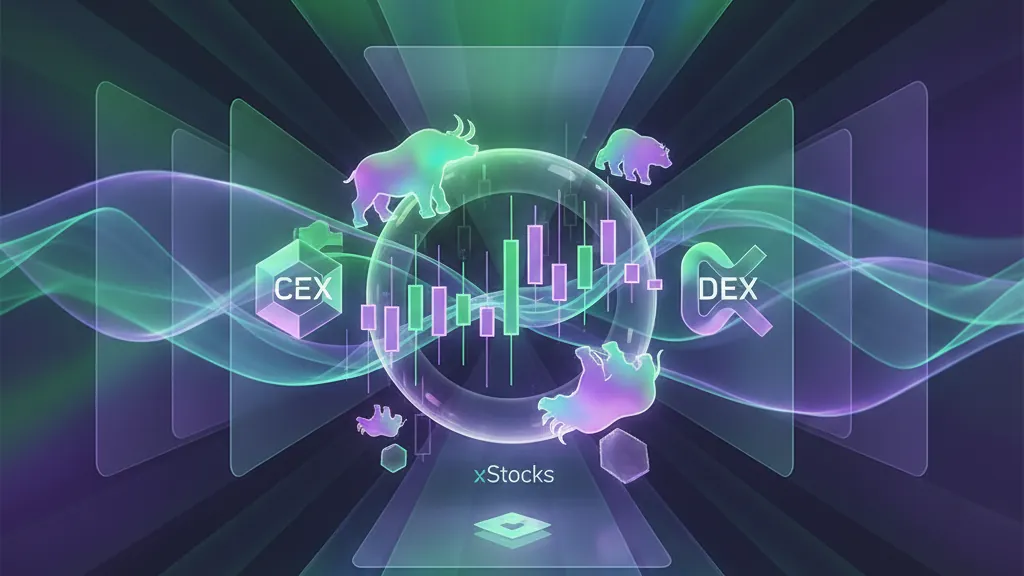
Activity levels diverge sharply across asset types. Tokenized Treasury funds, despite representing 50% of market value, turned over just 0.006% of their supply in August—suggesting most holders operate with long-term lock-in rather than active trading. Equities present the opposite profile: they account for only 8% of total tokenized RWA value but generated 93% of spot trading volume on the month. This concentration suggests traders prefer the price discovery and liquidity mechanics of tokenized equities while viewing tokenized fixed-income products primarily as yield vehicles held to maturity.
Implications for RWA Infrastructure
The disparity points to structural differences in how markets price and transact these assets. High-turnover equity tokens indicate product-market fit for speculative and tactical positioning, while low-turnover Treasury tokens suggest institutional settlement use cases that do not require secondary market depth. The combination of large notional value and sparse trading in Treasuries raises questions about reported yields and the true secondary market liquidity available at scale.
Why It Matters
For Traders
Tokenized equity products show deeper liquidity than Treasury tokens; market microstructure and slippage vary materially by asset class.
For Investors
Low Treasury turnover despite 50% market share suggests early RWA infrastructure is optimized for buy-and-hold settlement rather than secondary trading.
For Builders
The equity-Treasury divergence signals demand for different liquidity layers; protocols optimizing for yield settlement may require different order-book designs than those targeting trading.
This article is for information only and is not financial advice. Read the full disclaimer.