U.S. Treasury Sanctions Two Crypto Exchanges Over Iran Money Laundering
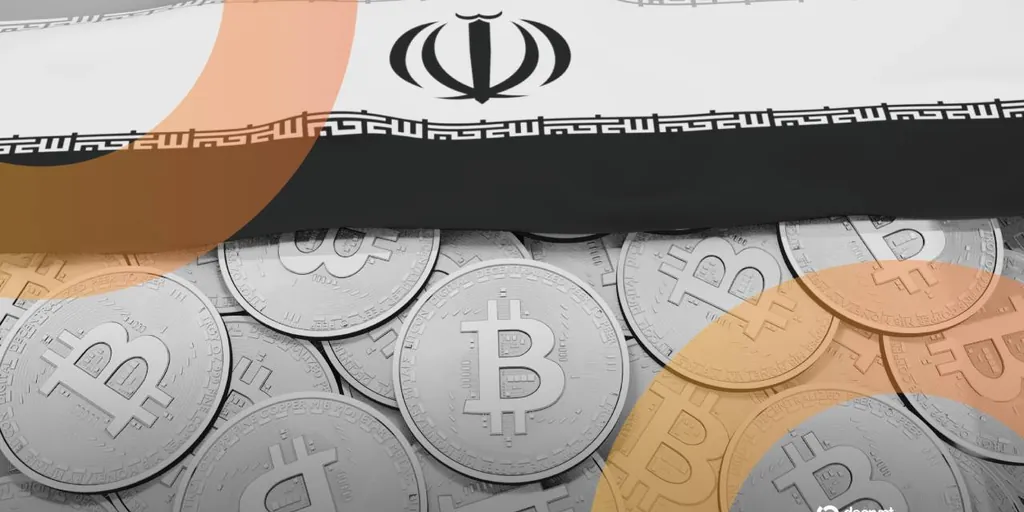
The U.S. Treasury Department imposed sanctions on two cryptocurrency exchanges it alleged laundered millions of dollars for Iran's Revolutionary Guard. The targeted platforms operate from Georgia, the UAE, and Iran.
Written by CoinArticle’s AI Newsroom · from 1 cited source. How we work
Treasury Actions and Targets
The U.S. Treasury's Office of Foreign Assets Control (OFAC) sanctioned two crypto exchanges on allegations they facilitated money laundering for Iran's Islamic Revolutionary Guard Corps (IRGC). One operator runs platforms based in Georgia and the UAE; the second is Iran-based. Treasury did not disclose specific transaction volumes or timeframes in its initial announcement, though it characterized the activity as involving millions of dollars.
Enforcement Pattern
The action continues Treasury's multi-year campaign against crypto infrastructure used to circumvent sanctions on Iran. OFAC has previously sanctioned Iranian crypto exchanges, crypto-to-fiat ramps, and individual operators accused of processing payments for sanctioned entities. The agency typically adds targeted entities to its Specially Designated Nationals (SDN) list, which prohibits U.S. persons and entities from conducting business with them and freezes any assets held in U.S. jurisdiction.
Implications for Compliance
U.S.-regulated exchanges and payment processors now have heightened obligations to screen for transactions involving the newly sanctioned platforms. Platforms operating across multiple jurisdictions face increased pressure to implement geographic restrictions and enhanced due diligence on Iran-connected users, even those using decentralized or peer-to-peer mechanisms.
Why It Matters
For Traders
Sanctioned exchanges are now off-limits for U.S. persons; trading pairs involving these platforms may face liquidity disruption if cross-border routing dries up.
For Investors
Recurring enforcement actions signal sustained U.S. focus on crypto compliance with Iran sanctions, raising operational costs for platforms serving borderless users.
For Builders
Stablecoin issuers and DEX protocols must harden geographic blocking and transaction monitoring to avoid facilitating activity that could trigger secondary sanctions.
This article is for information only and is not financial advice. Read the full disclaimer.