Trezor Warns Customers After Fulfillment Partner Data Breach
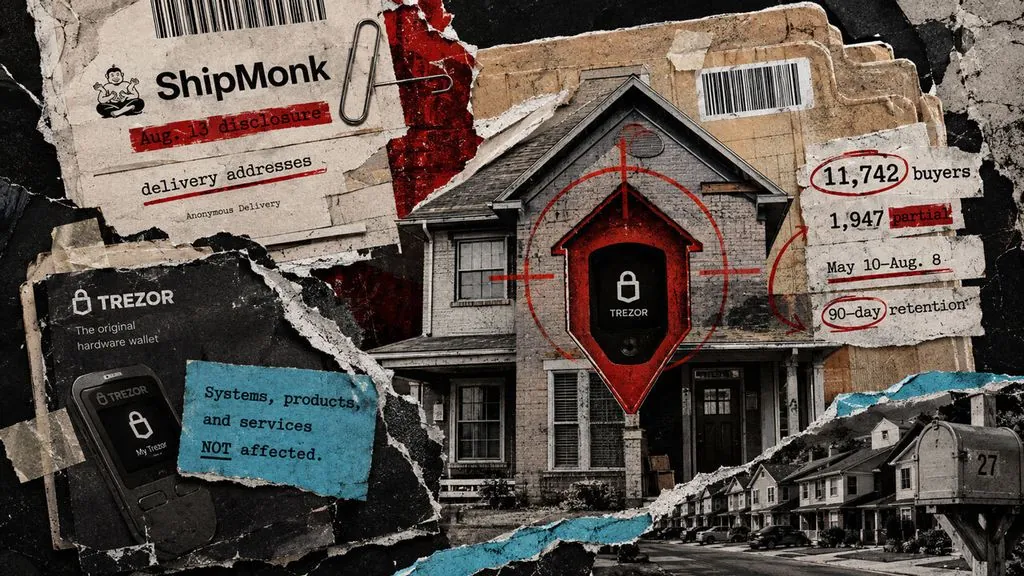
Trezor notified customers that a data breach at its fulfillment partner exposed shipping addresses and customer identities. The exposure affects between 10,000 and 14,000 users and marks the first time Trezor customer delivery locations have been compromised.
Written by CoinArticle’s AI Newsroom · from 2 cited sources. How we work
Scope of the Breach
Trezor's fulfillment partner suffered a data breach that exposed customer shipping addresses, names, and other identity information. CoinDesk reported the incident affected 14,000 customers, while CryptoSlate cited figures above 10,000. The company confirmed in its warning that this marks the first time Trezor customers' delivery addresses have been exposed in a breach of this type.
Security and Physical Safety Concerns
The exposure creates multiple attack surfaces beyond typical identity theft. Threat actors now possess both customer identities and residential delivery locations, enabling targeted phishing campaigns and raising concerns about physical home invasions. This risk is heightened given recent reports of violent robberies targeting cryptocurrency holders at their homes. Customers who received hardware wallets through the affected fulfillment partner face the greatest immediate risk, particularly those in jurisdictions where crypto ownership and home security vulnerabilities are known to attackers.
Customer Response and Trezor Recommendations
Trezor advised affected customers to monitor their accounts and remain alert to phishing attempts. The company did not disclose whether customer payment card information, private keys, or wallet data were compromised in the breach, though the exposure of delivery addresses alone is sufficient to create security exposure for high-value cryptocurrency holders.
Why It Matters
For Traders
Trezor customers holding significant cryptocurrency should review their physical security and consider relocating funds or devices if they believe their delivery address is now known to threat actors.
For Investors
Supply-chain security breaches among hardware wallet providers erode customer trust and may accelerate adoption of self-custody alternatives perceived as lower-risk.
For Builders
Wallet and custody firms should audit third-party fulfillment partnerships and consider direct shipping or decentralized fulfillment models to reduce customer data exposure.
This article is for information only and is not financial advice. Read the full disclaimer.