TSMC CEO Says Arizona Land Parcels Will Meet Needs for Next Decade
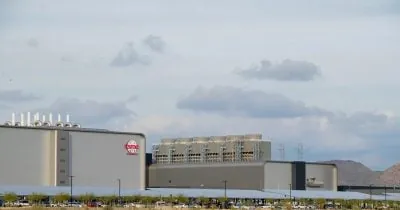
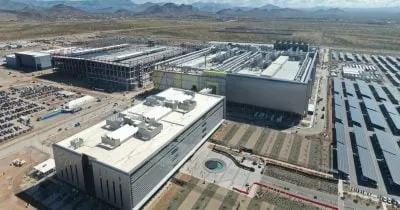
TSMC's CEO confirmed that the company's Arizona land holdings are sufficient to support its manufacturing expansion through the next decade. The statement underscores TSMC's commitment to U.S. semiconductor production capacity amid geopolitical supply-chain concerns.
Written by CoinArticle’s AI Newsroom · from 1 cited source. How we work
TSMC's U.S. Expansion Strategy
TSMC's Chief Executive Officer stated that the company's Arizona real estate portfolio will accommodate its manufacturing needs through the coming decade, signaling confidence in the scope of its U.S. footprint. The Arizona facilities are central to TSMC's strategy to establish reliable semiconductor production outside Taiwan, a region whose geopolitical exposure has drawn increasing scrutiny from U.S. policymakers and industry partners.
Broader Context for U.S. Chip Manufacturing
TSMC's Arizona expansion is part of a wider shift toward domestic semiconductor capacity in the United States. The company's investment reflects both U.S. policy incentives—including subsidies under the CHIPS Act—and demand from customers seeking to diversify supply chains away from concentrated production in Asia. The CEO's statement that current land parcels will suffice for a decade suggests TSMC expects sustained demand for onshore manufacturing over that horizon.
Why It Matters
For Traders
Crypto-adjacent: U.S. semiconductor capacity expansion may lower hardware costs for GPU and ASIC mining infrastructure over time.
For Investors
Broader signal that multinational chipmakers view the U.S. as a stable, long-term manufacturing base amid geopolitical fragmentation.
For Builders
Developers of blockchain infrastructure and proof-of-work protocols benefit indirectly from expanded domestic chip supply chains and reduced hardware cost volatility.
This article is for information only and is not financial advice. Read the full disclaimer.