Geopolitical Tensions in Middle East Have Limited Direct Impact on Crypto Markets
An Iranian missile landed in Jordan with no reported casualties, marking an escalation in regional tensions. Crypto markets showed minimal immediate reaction, with Bitcoin and Ethereum trading within normal volatility ranges as traders assess broader macro implications.
Written by CoinArticle’s AI Newsroom · from 1 cited source. How we work
Regional Escalation Without Market Disruption
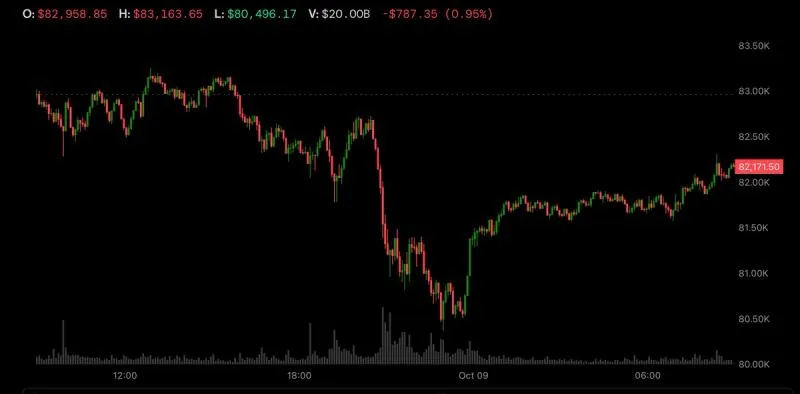
An Iranian missile struck territory in Jordan on Tuesday with no casualties reported, according to news reports. The incident represents a direct military action between the two nations and underscores rising tensions in the Middle East. Cryptocurrency markets did not show material distress signals in response; Bitcoin remained within its recent trading band and Ethereum held steady through the Asia-Pacific session.
Why Geopolitical Events Matter to Crypto Traders
Historically, regional military escalations can trigger safe-haven flows into assets perceived as uncorrelated to traditional markets. Bitcoin has occasionally functioned as a hedge during geopolitical crises, though the relationship is inconsistent and depends heavily on broader macro conditions—especially Federal Reserve policy and equities sentiment. The muted market reaction to Tuesday's event suggests traders are watching the situation without treating it as an immediate systemic shock.
Monitoring Macro and Flight-to-Safety Flows
Longer-term investors should track whether the situation drives oil prices higher or prompts central banks to signal policy shifts. Sustained crude oil increases could reignite inflation concerns and complicate the Fed's rate-cut calculus, which would have indirect effects on risk appetite across all asset classes including crypto. For now, the market is pricing this as a contained regional event rather than a catalyst for portfolio reallocation.
Why It Matters
For Traders
No immediate volatility spike observed; monitor oil futures and equity index futures for secondary effects on risk appetite over the next 24-48 hours.
For Investors
Geopolitical escalation historically correlates loosely with crypto safe-haven flows; watch if sustained crude increases trigger inflation concerns and Fed policy recalibration.
For Builders
No direct technical or protocol implications; cross-chain bridges and CEX infrastructure operating normally with no reported disruptions.
This article is for information only and is not financial advice. Read the full disclaimer.