Ukraine's Maritime Strikes Signal Shift in Naval Warfare Tactics
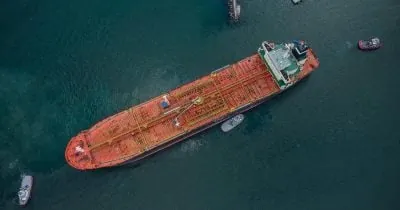
Ukraine conducted strikes against Russian-linked oil tankers in the Sea of Azov, demonstrating expanded maritime capabilities in the ongoing conflict. The operation underscores a tactical shift toward targeting energy infrastructure as a strategic pressure point.
Written by CoinArticle’s AI Newsroom · from 1 cited source. How we work
Escalation in Maritime Operations
Ukraine carried out strikes against Russian-linked oil tankers operating in the Sea of Azov, marking a continuation of its maritime campaign against Russian energy assets. The operation reflects an expansion of Ukraine's naval reach into contested waters, where Russian logistics have faced mounting pressure over the past year.
Strategic Implications
The strikes on energy infrastructure targets represent a deliberate choice to disrupt Russian supply chains and revenue streams rather than engage in conventional naval combat. By targeting tankers, Ukraine aims to raise operational costs for Russian logistics and reduce the flow of resources that support military operations. Such strikes have historically prompted reassessments of shipping risk in the region and adjustments to insurance premiums for vessels operating in disputed waters.
Broader Context
The operation signals Ukraine's willingness to project power across contested maritime zones despite Russia's superior naval presence in the Black Sea and Sea of Azov. Successful strikes on high-value targets strengthen Ukraine's deterrent posture and may encourage continued international support by demonstrating battlefield initiative and strategic adaptability.
Why It Matters
For Traders
Energy and shipping volatility tied to Black Sea conflict may create near-term price swings in oil and related crypto-linked derivatives.
For Investors
Sustained regional instability affects global energy markets and geopolitical risk premiums that indirectly influence macro sentiment for risk assets.
For Builders
No direct technical implications; this is a geopolitical event with indirect macro relevance to on-chain activity via energy costs and market risk appetite.
This article is for information only and is not financial advice. Read the full disclaimer.