Ukrainian Drone Strike Ignites Tuapse Oil Refinery in Russia
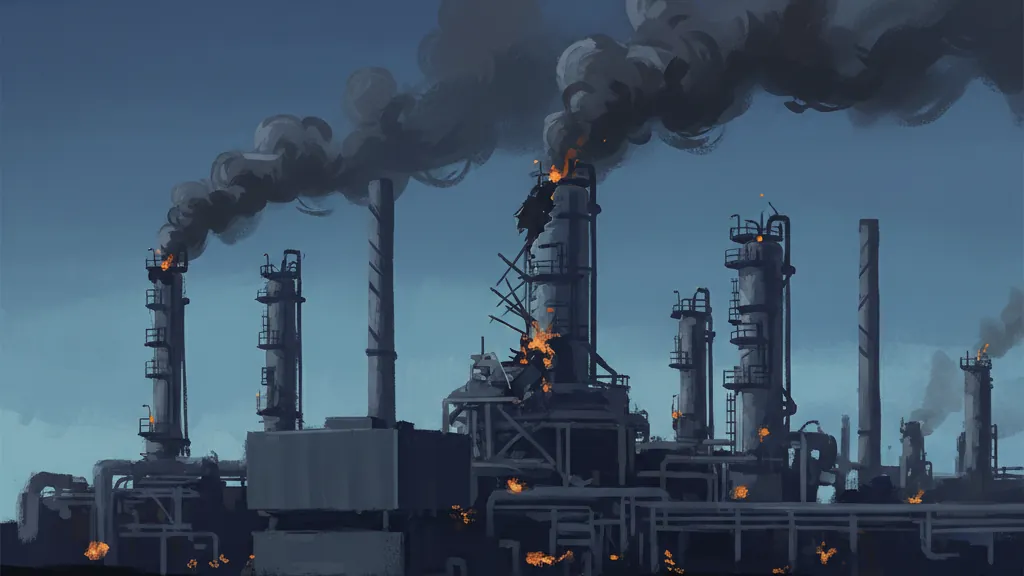
Ukrainian forces conducted a successful drone strike on Russia's Tuapse oil refinery on the Black Sea coast, igniting fires and damaging critical petroleum processing infrastructure. This attack represents an escalating pattern of Ukrainian military operations targeting Russian energy facilities to disrupt economic resources funding the war effort.
Written by CoinArticle’s AI Newsroom · from 1 cited source. How we work
Key Takeaways
- 1**Strategic Shift**: Ukraine is increasingly targeting economic infrastructure rather than purely military assets
- 2**Extended Reach**: Advanced drone capabilities enable strikes far beyond frontline positions
- 3**Hardened Military Positions**: Each escalation suggests diminishing prospects for ceasefire negotiations
- 4**Energy Security Crisis**: Russia's refining capacity faces mounting pressure from multiple damaged or destroyed facilities
Ukrainian Drone Attack Ignites Tuapse Oil Refinery, Escalating Energy Strikes
Attack Details
Ukrainian forces conducted a precision drone strike targeting the Tuapse oil refinery, a critical Russian energy infrastructure facility located on the Black Sea coast. The attack successfully ignited fires at the refinery, marking another significant blow to Russia's petroleum processing capacity and continuing an accelerating campaign against Russian energy infrastructure.
The Tuapse refinery, one of Russia's major oil processing centers with an estimated capacity of approximately 110,000 barrels per day, has become an increasingly vulnerable target. The facility's strategic importance in Russia's energy supply chain makes it a logical objective for Ukrainian military operations aimed at disrupting the economic resources that fund the ongoing conflict.
Escalating Pattern of Energy Infrastructure Strikes
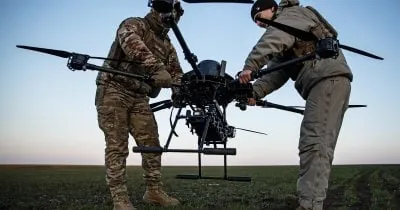
This attack is not an isolated incident but reflects an intensifying Ukrainian campaign targeting Russian energy facilities. Over recent months, Ukraine has demonstrated growing capability and sophistication in conducting long-range drone operations against refineries, fuel storage facilities, and power infrastructure deep within Russian territory.
The escalation signals several critical developments:
- Strategic Shift: Ukraine is increasingly targeting economic infrastructure rather than purely military assets
- Extended Reach: Advanced drone capabilities enable strikes far beyond frontline positions
- Hardened Military Positions: Each escalation suggests diminishing prospects for ceasefire negotiations
- Energy Security Crisis: Russia's refining capacity faces mounting pressure from multiple damaged or destroyed facilities
Energy Security Vulnerabilities Exposed
The successful strike exposes significant vulnerabilities in Russia's energy infrastructure defenses. With limited air defense systems available for protecting dispersed refinery and storage facilities across vast territories, Russia faces substantial challenges in defending its energy sector from aerial assault.
For global energy markets, these disruptions create additional uncertainty regarding Russian oil production and export capacity, contributing to ongoing volatility in crude oil prices and geopolitical risk premiums.
Why It Matters
For Traders
Russian refining capacity disruptions drive continued energy commodity volatility, with oil futures facing upward pressure as supply concerns intensify and geopolitical risk premiums remain embedded in energy markets.
For Investors
Companies with exposure to Russian energy assets face heightened uncertainty, while energy security concerns accelerate investments in alternative energy sources and renewable infrastructure across Europe and regions pursuing energy independence.
For Builders
Energy infrastructure developers and defense technology companies face increased demand for resilient, decentralized energy systems and advanced air defense solutions, with growing market opportunities in both defensive and alternative energy technologies.
This article is for information only and is not financial advice. Read the full disclaimer.