Uniswap's UNIfication Proposal Sets Stage for Major Tokenomics Overhaul
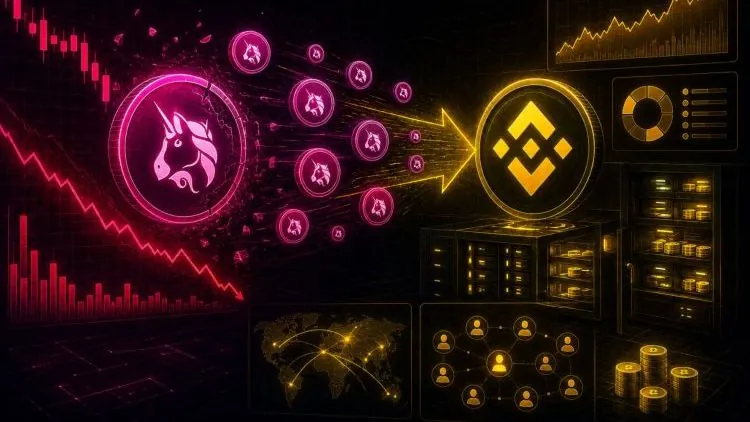
Uniswap's governance community has overwhelmingly approved the UNIfication proposal, which includes a significant 100 million UNI token burn and the introduction of protocol-level fees. This decision marks a pivotal shift in the decentralized exchange's economic model.
Written by CoinArticle’s AI Newsroom · from 1 cited source. How we work
Governance Vote Marks Historic Shift for DeFi Protocol
Uniswap's governance community has approved the UNIfication proposal with overwhelming support, setting the stage for substantial changes to the decentralized exchange's token economics. This landmark decision authorizes a one-time burn of 100 million UNI tokens and establishes a framework for implementing protocol-level fees.
Proposal Details
The UNIfication proposal signifies one of the most consequential governance decisions in Uniswap's history. The vote passed with robust backing from token holders, showcasing a strong community consensus around the proposed changes. The approval activates two critical mechanisms: the immediate burn of 100 million UNI tokens and the introduction of protocol fees.
Impact on Token Economics
The approved token burn will eliminate 100 million UNI from circulation, marking a meaningful reduction in total supply. This deflationary measure has significant implications for the tokenomics structure that has existed since the launch of Uniswap's governance token.
In addition, the implementation of protocol fees represents a fundamental shift in Uniswap's operational model. Historically, Uniswap has not charged protocol-level fees, funneling all trading fees directly to liquidity providers. The introduction of these fees creates a new revenue stream that can be allocated based on community-guided governance decisions.
Implications for the Uniswap Ecosystem
The approval of the UNIfication proposal signals a maturation of both Uniswap's governance framework and economic model. The token burn may alter supply dynamics in a way that positively impacts UNI's market value, while the new protocol fees will provide the DAO with critical resources that can be directed toward development, grants, or other initiatives favored by the community.
For liquidity providers, the introduction of protocol fees signifies a change in the existing fee framework. The details of how these fees will be structured and distributed will be crucial and will require thoughtful implementation to balance provider incentives with the goals of the DAO.
Looking Ahead
The approval of UNIfication illustrates Uniswap's community-driven approach to evolve its economic structure through decentralized governance. As one of the largest decentralized exchanges by trading volume, changes to Uniswap's tokenomics model could shape broader discussions about sustainability and value generation in the DeFi space.
As we move forward, the direct timeline and technical specifics for the execution of both the token burn and protocol fee mechanisms will be defined in subsequent steps following this governance approval.
Why It Matters
For Traders:
Traders should keep a close eye on the evolving dynamics of UNI supply and potential price impacts stemming from the token burn and the introduction of fees.
For Investors:
Long-term investors may find the changes in tokenomics appealing, as the new economic model aims to create sustainable value for UNI holders over time.
For Builders:
Developers and builders have an opportunity to design innovative solutions leveraging the new revenue streams from protocol fees, which can support enhanced functionalities or ecosystem growth initiatives.
This article is for information only and is not financial advice. Read the full disclaimer.