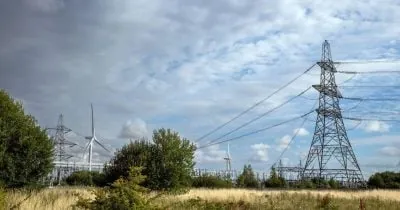
US Grid Strain From Data Center Demand Intensifies Amid Heat Waves
Back-to-back heat waves are testing US electricity infrastructure as AI data center demand surges, straining regional grids during peak consumption periods. The situation has prompted calls for flexible energy policies and infrastructure upgrades to handle sustained computational load.
Written by CoinArticle’s AI Newsroom · from 1 cited source. How we work
Grid Pressure From Competing Demands
US electricity grids are facing simultaneous pressure from seasonal heat demand and accelerating data center consumption. AI-driven computational workloads require continuous, stable power supply independent of ambient temperature, forcing grid operators to balance air conditioning load spikes with baseline data center draw during the hottest months.
Infrastructure and Policy Gaps
The strain has exposed capacity constraints in regional transmission and distribution networks not designed for the combined peak load pattern. Energy analysts and grid operators have flagged the need for more flexible pricing mechanisms, demand-response protocols, and targeted infrastructure investment to accommodate data center deployment without compressing existing consumer access to reliable power during heat events.
Why It Matters
For Traders
Electricity and energy-linked commodity prices may face upward pressure if grid stress reduces mining efficiency or forces data center load shedding.
For Investors
Long-term crypto infrastructure siting decisions increasingly depend on grid reliability and energy policy evolution in US regions hosting large server farms.
For Builders
Protocols designing on-chain settlement or oracle networks relying on data center uptime may need redundancy plans across geographically diverse low-risk grid zones.
This article is for information only and is not financial advice. Read the full disclaimer.