US Military Coordinates Transit of 20 Ships Through Strait of Hormuz
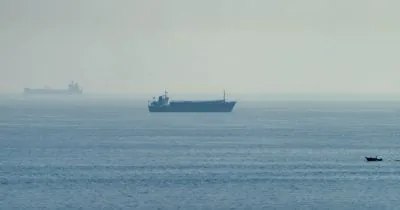
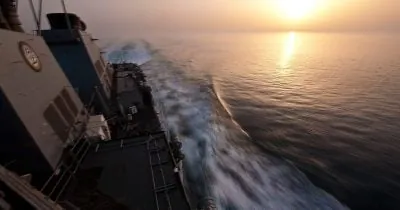
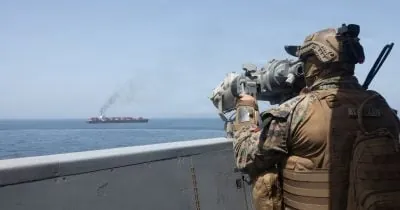
The U.S. military coordinated the passage of 20 vessels through the Strait of Hormuz, underscoring its role in maintaining global shipping lanes amid regional tensions. The move reflects ongoing efforts to secure critical maritime infrastructure that underpins trade and energy flows.
Written by CoinArticle’s AI Newsroom · from 1 cited source. How we work
Military Coordination in Strategic Waterway
The U.S. military coordinated the transit of 20 ships through the Strait of Hormuz, according to reporting by Axios. The operation highlights the Pentagon's continued involvement in securing one of the world's most critical chokepoints for global commerce and energy supplies.
Strategic Context
The Strait of Hormuz remains a vital conduit for international shipping, with roughly one-third of seaborne traded oil passing through its waters annually. U.S. military coordination in the region reflects broader efforts to maintain stability amid periodic regional tensions that can disrupt maritime traffic and create volatility in energy markets.
Why It Matters
For Traders
Energy market stability and oil price volatility hinge partly on uninterrupted Hormuz transit; disruptions here can spike crypto volatility through macro correlation.
For Investors
Geopolitical risk in critical shipping lanes influences macro conditions and risk appetite, which correlates with institutional crypto allocation flows.
For Builders
Infrastructure projects and cross-chain bridges depend on stable global macroeconomic conditions; regional shipping disruptions can cascade into liquidity pressures on-chain.
This article is for information only and is not financial advice. Read the full disclaimer.