US Officials Describe Bitcoin as 'Geopolitical Weapon' in National Security Discussions
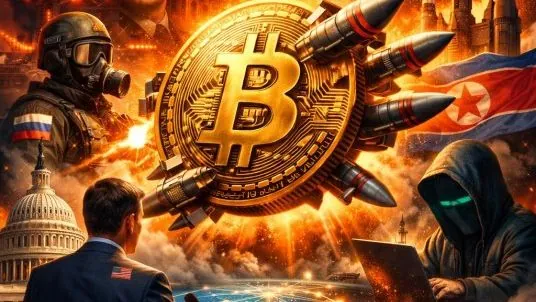
Rep. Lance Gooden and Pentagon leadership have characterized Bitcoin as a geopolitical tool used by multiple adversaries, citing classified military operations. Senior defense officials including Secretary Pete Hegseth and Admiral Samuel Paparo described active US involvement with Bitcoin for strategic and cybersecurity purposes.
Written by CoinArticle’s AI Newsroom · from 1 cited source. How we work
Pentagon Confirms Active Bitcoin Operations
Secretary of Defense Pete Hegseth told Rep. Lance Gooden that the Department of Defense is actively involved with Bitcoin in classified operations, according to reporting Thursday. Hegseth stated: "I am a long enthusiast of Bitcoin and crypto potential, and a lot of the things we are doing, enabling it or defeating it, are classified efforts that are ongoing inside our department, which do provide us a lot of leverage in a lot of different scenarios." Gooden, a Texas Republican, used these comments to argue that Bitcoin has become a "geopolitical weapon" deployed by multiple adversaries against US interests.
Military Leadership Outlines Strategic Value
Admiral Samuel Paparo, commander of the US Indo-Pacific Command, separately told the Senate that Bitcoin has "incredible potential" for cybersecurity and strategic applications. According to Paparo's recent testimony, the US military operates a node on the Bitcoin network and views the cryptocurrency as having "direct implications for power projection." The admiral's comments frame Bitcoin not as a speculative asset but as infrastructure relevant to military strategy and deterrence.
Shifting Tone in Official Discourse
These statements mark a shift in how top US officials publicly discuss Bitcoin, moving from warnings about financial crime and sanctions evasion to acknowledgment of military and intelligence applications. Gooden's framing of Bitcoin as a geopolitical weapon used by adversaries suggests the debate in policy circles has expanded beyond cryptocurrency regulation to national security implications. The comments indicate that US defense and intelligence agencies are examining both offensive and defensive uses of blockchain technology and Bitcoin's network properties.
Why It Matters
For Traders
Official framing of Bitcoin as a strategic asset may reduce near-term regulatory pressure on trading and custody, though military interest does not directly affect spot price or liquidity.
For Investors
US military endorsement of Bitcoin infrastructure shifts the policy narrative from existential threat to strategic tool, potentially reducing long-term regulatory risk for large holders.
For Builders
Pentagon interest in Bitcoin node operation and network resilience may influence future policy decisions on mining, consensus mechanisms, and network infrastructure security.
This article is for information only and is not financial advice. Read the full disclaimer.