How to Verify Crypto Casino Licenses: A Step-by-Step Guide
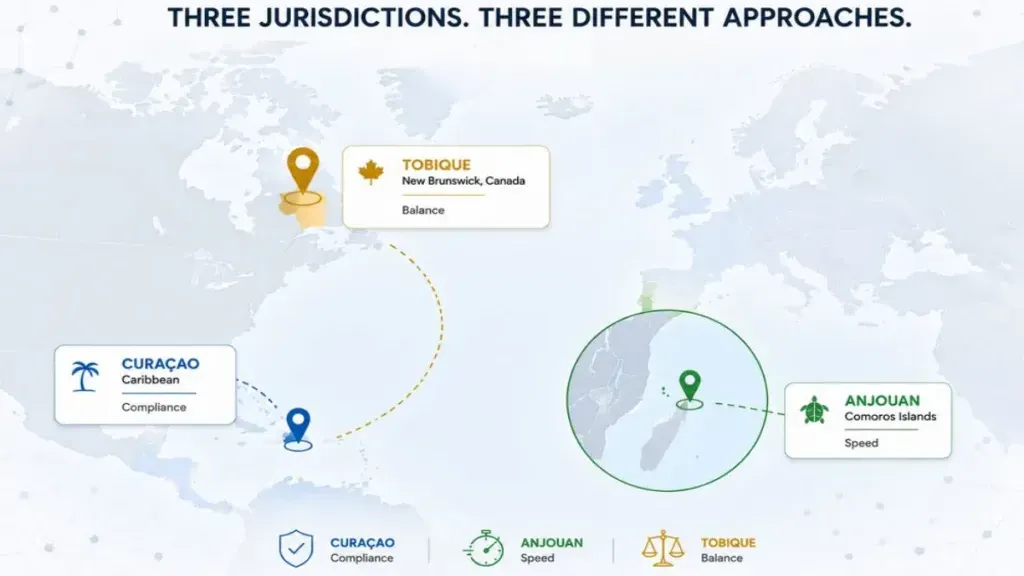
Fake casino license badges are common in crypto gambling platforms. BitcoinChaser published a guide detailing how to independently verify licenses issued by Curaçao, Anjouan, and Tobique regulators without creating an account.
Written by CoinArticle’s AI Newsroom · from 1 cited source. How we work
The Problem of Forged Credentials
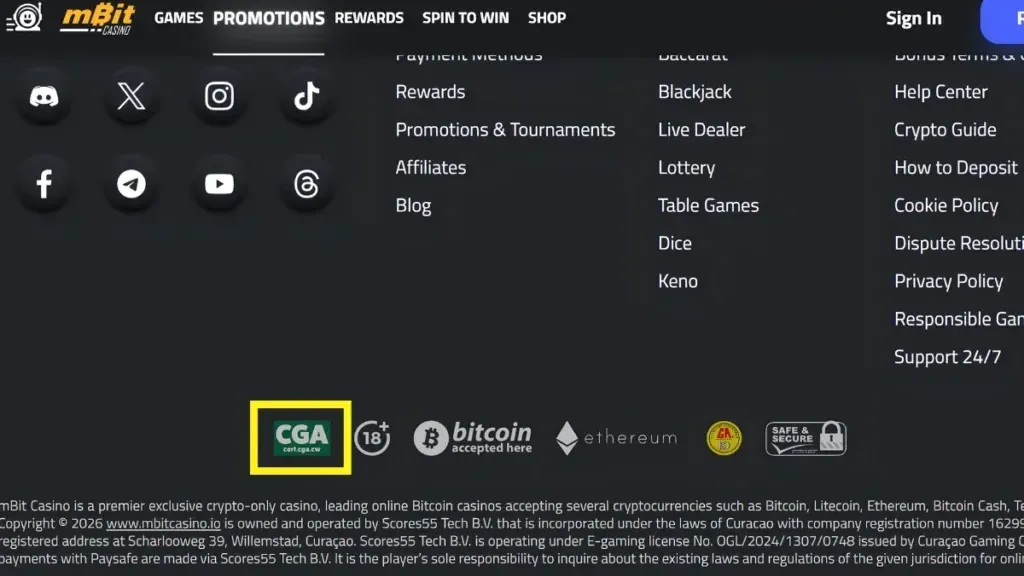
Crypto casinos frequently display licensing badges that claim regulatory approval from jurisdictions like Curaçao, Anjouan, or Tobique. Many of these badges are fabricated, allowing operators to appear legitimate while operating outside genuine regulatory oversight. Users who assume a displayed license is valid face heightened risk of fraud, unresolved disputes, and loss of funds.
Verification Steps for Common Jurisdictions
BitcoinChaser outlined a process for checking licenses directly with issuing authorities. The method requires no account creation and can be completed in minutes. Users can cross-reference a platform's stated license number against official registries maintained by each jurisdiction's gaming commission. The guide covers three primary licensing jurisdictions prevalent in the sector: Curaçao (which uses the Gaming License Authority), Anjouan (part of Comoros), and Tobique (a lesser-known jurisdiction also used by operators).
Why Self-Verification Matters
Regulatory capture and loose oversight in certain offshore jurisdictions mean that even officially registered licenses do not guarantee consumer protection equivalent to major markets like the United States or European Union. Self-verification shifts the burden of due diligence to the user but provides a baseline check—confirming at minimum that a license number is real, that the operator's name matches the registry, and that the license has not been revoked. Traders and casual users in crypto casinos should treat license verification as a necessary step before depositing funds, similar to checking an exchange's operational history.
Why It Matters
For Traders
Verifying a casino's real license before depositing reduces exposure to outright scams that misrepresent their regulatory status.
For Investors
Widespread license fraud in crypto gambling signals weak enforcement and reputational risk for legitimate operators in the space.
For Builders
Platforms competing on compliance can differentiate by publishing transparent, third-party-auditable proof of licensing instead of static badges.
This article is for information only and is not financial advice. Read the full disclaimer.