What Is a Testnet? The Blockchain Testing Ground Explained
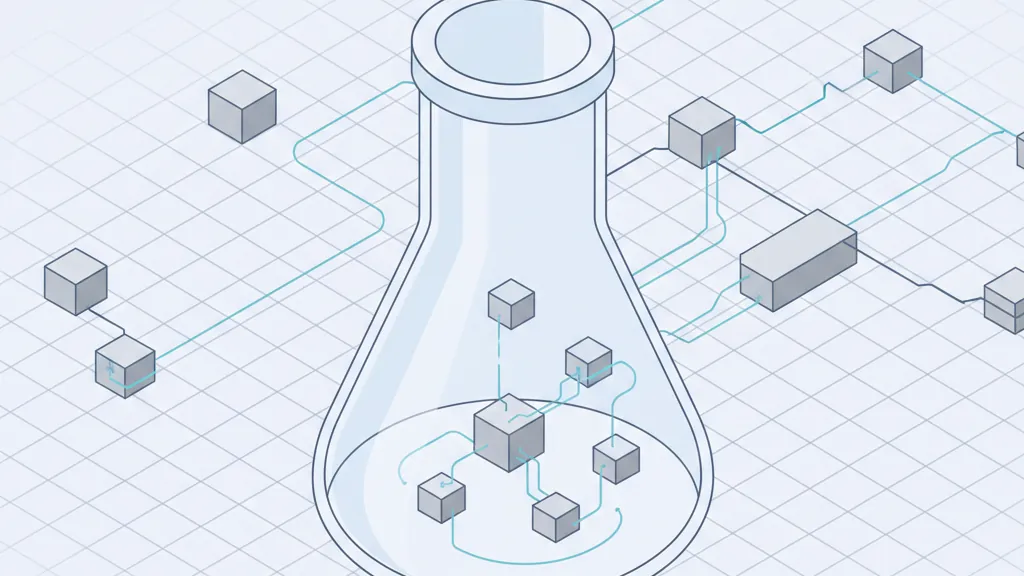
A testnet is a separate blockchain network that replicates a production chain's rules and functionality but uses valueless tokens for experimentation. Developers use testnets to validate upgrades, identify bugs, and stress-test protocol changes before mainnet deployment.
Written by CoinArticle’s AI Newsroom · from 1 cited source. How we work
How Testnets Work
A testnet is an exact replica of a production blockchain—same consensus rules, same smart contract logic, same validator structure—but isolated from the main network and running on tokens with zero monetary value. Developers deploy code to a testnet first, execute transactions, and interact with the network under near-identical conditions to mainnet without risking user funds or network stability.
Major blockchains operate one or more testnets. Ethereum runs Sepolia and Goerli; Solana runs Devnet; Bitcoin runs Testnet 3. These networks are open to anyone and receive free testnet tokens via faucets, removing the cost barrier to testing.
Why Testnets Matter
Testnets catch bugs, performance issues, and unintended interactions before they reach production. A smart contract vulnerability discovered on a testnet costs nothing to fix. The same vulnerability on mainnet can drain user deposits. Similarly, protocol teams use testnets to validate hard forks and consensus changes, ensuring a smooth transition when those upgrades ship to the live network.
Large upgrades like Ethereum's 2015 Byzantium fork and 2022 Merge were extensively tested on public testnets before mainnet activation. This staged approach reduces the surface area for catastrophic failures affecting millions of users and billions in locked assets.
The Limitations of Testnet Data
Testnets are not production. Real-world usage patterns, validator diversity, and network load on a testnet rarely match mainnet conditions. A transaction that executes perfectly on Sepolia may fail under peak mainnet traffic. Attacks that require significant capital to execute (51% attacks, liquidation cascades) are impractical to simulate on a valueless testnet.
For these reasons, major protocol upgrades are followed by careful monitoring during and after mainnet activation, even after extensive testnet validation.
Why It Matters
For Traders
Understanding testnet behavior helps distinguish between announced upgrades and their real-world impact on mainnet performance and stability.
For Investors
Testnet activity and bug reports can signal the maturity and rigor of upcoming protocol changes before they affect live network security or economics.
For Builders
Familiarity with your chain's testnet environment and faucet setup is a prerequisite for shipping reliable smart contracts and infrastructure.
This article is for information only and is not financial advice. Read the full disclaimer.