Stellar's XLM Falls Fourth Day as Retail Demand Weakens
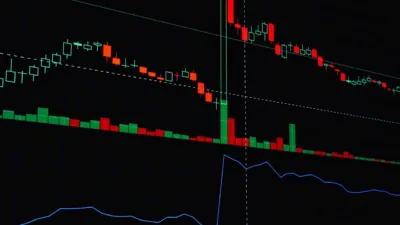
XLM declined for a fourth consecutive day Thursday amid weakening retail sentiment and declining futures positioning. The token remains above its 200-day exponential moving average but faces bearish technical pressure with momentum indicators fading.
Written by CoinArticle’s AI Newsroom · from 1 cited source. How we work
Consecutive Declines Amid Retail Weakness
Stellar's XLM extended losses for a fourth straight session Thursday as selling pressure intensified. Retail sentiment has deteriorated alongside the price decline, with futures positioning also showing signs of weakness. The token's momentum indicators are fading, suggesting diminishing buying interest at current price levels.
Technical Support Holding
Despite the four-day losing streak, XLM remains above its 200-day exponential moving average, a key technical support level. The token faces bearish pressure in the near term, but the ability to hold above this long-term average suggests some floor to the selloff. Broader market conditions and retail appetite will likely determine whether the token stabilizes or breaks below this support.
Why It Matters
For Traders
XLM trading below the 200-day EMA would signal deeper support erosion; the current level is a key short-term pivot to watch.
For Investors
Sustained weakness in retail demand may indicate broader indifference to Stellar's platform activity; check network metrics to confirm or refute on-chain engagement.
For Builders
Declining retail interest can affect user acquisition costs and developer ecosystem engagement; monitor network health data to separate price action from fundamental activity.
This article is for information only and is not financial advice. Read the full disclaimer.