XRP Falls Below $1 Amid Regulatory Uncertainty and Market Sell-Off
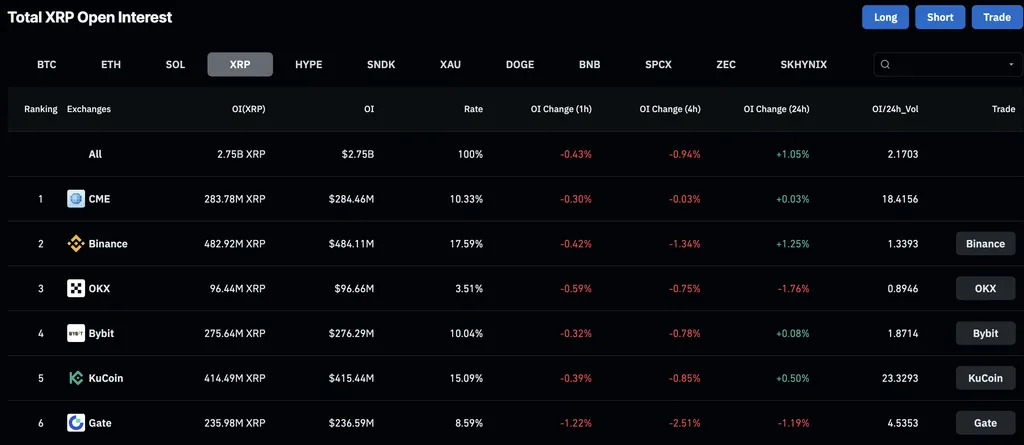
XRP traded below $1 for the first time in 52 weeks as regulatory headwinds and broader market weakness drove selling pressure. On-chain metrics showed recovering open interest alongside negative order flow and ETF redemptions, signaling continued bearish momentum.
Written by CoinArticle’s AI Newsroom · from 2 cited sources. How we work
Price Action and Technical Levels
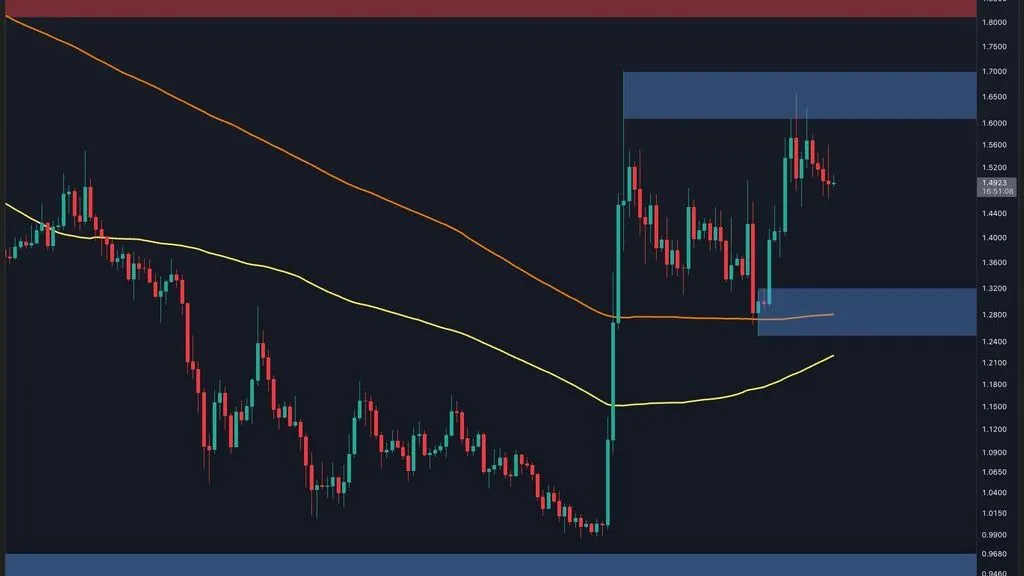
XRP fell below $1 per token, marking a test of its 52-week low. According to 99Bitcoins, the decline coincided with open interest recovery in derivatives markets, a technical pattern that sometimes precedes further downside if accompanied by weak spot demand. The one-dollar level represents a psychologically significant support zone for the token.
Selling Pressure Across Channels
Multiple data points suggested persistent bearish sentiment. Negative order-flow data indicated more aggressive selling than buying on major venues, while ETF redemptions—if applicable to XRP products—added to outflows. The combination of institutional selling signals and retail capitulation left few technical support levels intact.
Regulatory Backdrop
XRP's weakness occurred amid broader regulatory uncertainty affecting the cryptocurrency sector. Ripple's long-standing dispute with the U.S. Securities and Exchange Commission, though partially resolved in 2023, continues to weigh on investor confidence. The token's sensitivity to policy shifts highlights how regulatory clarity—or its absence—can amplify market volatility independent of fundamental developments.
Why It Matters
For Traders
XRP traders should monitor whether $1 holds as support; break below could trigger stop losses and accelerate outflows into year-end.
For Investors
Regulatory overhang continues to constrain XRP's price relative to peers; broader market weakness may persist until clarity on Ripple's SEC settlement is fully digested.
For Builders
XRP's on-chain activity and validator participation merit monitoring; sustained price weakness can reduce incentives for network participation and development.
This article is for information only and is not financial advice. Read the full disclaimer.