Zcash Targets January 2027 for Quantum-Resistant Payments Upgrade
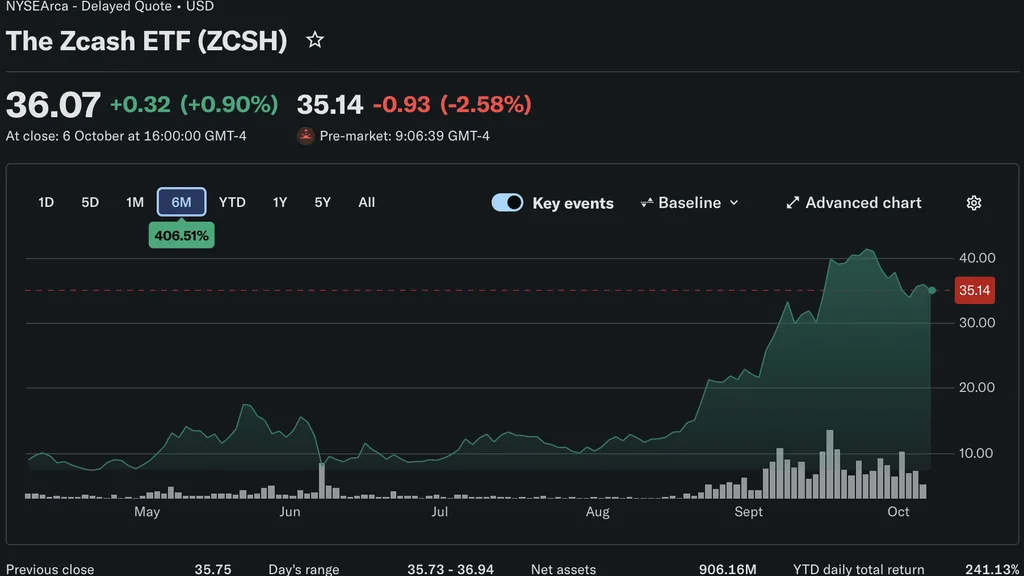
Zcash developers plan to implement quantum-resistant payment support by January 2027, addressing emerging threats to blockchain security from quantum computing. The upgrade aims to protect user wallets and transaction privacy as ZEC trades near $1,240.
Written by CoinArticle’s AI Newsroom · from 2 cited sources. How we work
Quantum Resistance Timeline
Zcash developers have set January 2027 as the target date to deploy quantum-resistant payment functionality on the network. The upgrade will integrate cryptographic methods designed to resist attacks from quantum computers, which pose a theoretical but growing threat to current public-key encryption schemes used across blockchain networks.
Why the Urgency
Quantum computers capable of breaking current elliptic-curve cryptography do not yet exist, but their potential development has prompted blockchain projects to begin defensive research now. Zcash's proactive stance on quantum safety is intended to set a precedent for how privacy-focused protocols can adapt their security models before threats materialize. The upgrade also arrives amid elevated focus on wallet security across the ecosystem.
Market Context
ZEC was trading near $1,240 at the time of reporting, off recent highs but stable on a weekly basis. The quantum-resistant upgrade announcement comes as the privacy-coin sector faces ongoing regulatory scrutiny and competition from privacy-preserving protocols on other blockchains.
Why It Matters
For Traders
ZEC price action around quantum-safety narratives may attract technical traders, but the January 2027 timeline is distant enough that near-term catalysts remain limited.
For Investors
A successful quantum-resistant implementation strengthens Zcash's long-term viability and differentiates it as security-conscious in a sector often reactive to threats.
For Builders
Post-quantum cryptography migration templates from Zcash could accelerate similar upgrades on other Layer 1s, making quantum-safe tooling a competitive necessity sooner than expected.
This article is for information only and is not financial advice. Read the full disclaimer.