Binance Links $6.3B Security Incident to Compromised DevOps Engineer's Laptop
Binance attributed a $6.3 billion security incident to a compromised DevOps engineer's laptop that enabled unauthorized access to Ethereum wallet authorizations. The exchange said $3 billion of the affected assets were frozen, and the incident underscores vulnerabilities in exchange cybersecurity practices.
Written by CoinArticle’s AI Newsroom · from 2 cited sources. How we work
How the Breach Occurred
Binance disclosed that a compromised DevOps engineer's laptop served as the entry point for the $6.3 billion security incident. According to the exchange's account, attackers leveraged access to the engineer's device to exploit Ethereum wallet authorization mechanisms. Investigation revealed that one of approximately 50 Ethereum authorizations on the exchange was weaponized to enable unauthorized access to a hot wallet, according to Crypto.news reporting.
Scope and Response
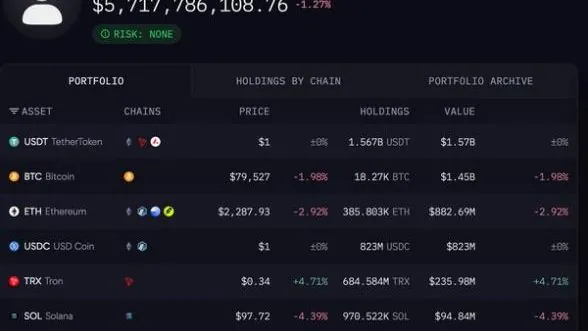
Binance reported that $6.3 billion in assets were affected by the breach. Of that total, $3 billion in funds were frozen, limiting the attackers' ability to move or liquidate the compromised holdings. The exchange did not specify the timeline for detection or the total amount of actual losses versus frozen assets.
Security Implications
The incident highlights how a single employee's compromised credentials can create vectors for large-scale theft at centralized exchanges. Binance's disclosure suggests that even with multiple Ethereum wallet authorizations in place as a control mechanism, attackers were able to identify and exploit one that lacked sufficient additional safeguards. The breach underscores ongoing tensions between operational convenience and security depth at major custodians.
Why It Matters
For Traders
A $6.3 billion breach involving one of crypto's largest exchanges raises near-term concerns about asset custody and may accelerate withdrawals from centralized platforms.
For Investors
The incident demonstrates that exchange-level security remains a material risk for large institutional players and may renew pressure on platforms to adopt more granular access controls.
For Builders
Self-custody and decentralized custody solutions face renewed relevance as the primary alternative to trusting exchange infrastructure with large positions.
This article is for information only and is not financial advice. Read the full disclaimer.