Binance $6.3B Breach: Circle Freezes $800M USDC as Secret Service and FBI Join Recovery
Binance is working with the US Secret Service, the FBI and Circle after an October 29 breach drained roughly $6.3 billion in assets. Circle has frozen more than $800 million in USDC and Tether more than $1.5 billion in USDT, while Binance has reserved over $6.34 billion to repay affected users.
Written by CoinArticle’s AI Newsroom · from 3 cited sources. How we work
Story Updates
- Updated Oct 30, 2026, 06:08 PM: Crypto Briefing adds Ripple, World Liberty Financial and Tether freezes, and reports Circle shares fell 5.6% after the breach.
Recovery Effort Under Way
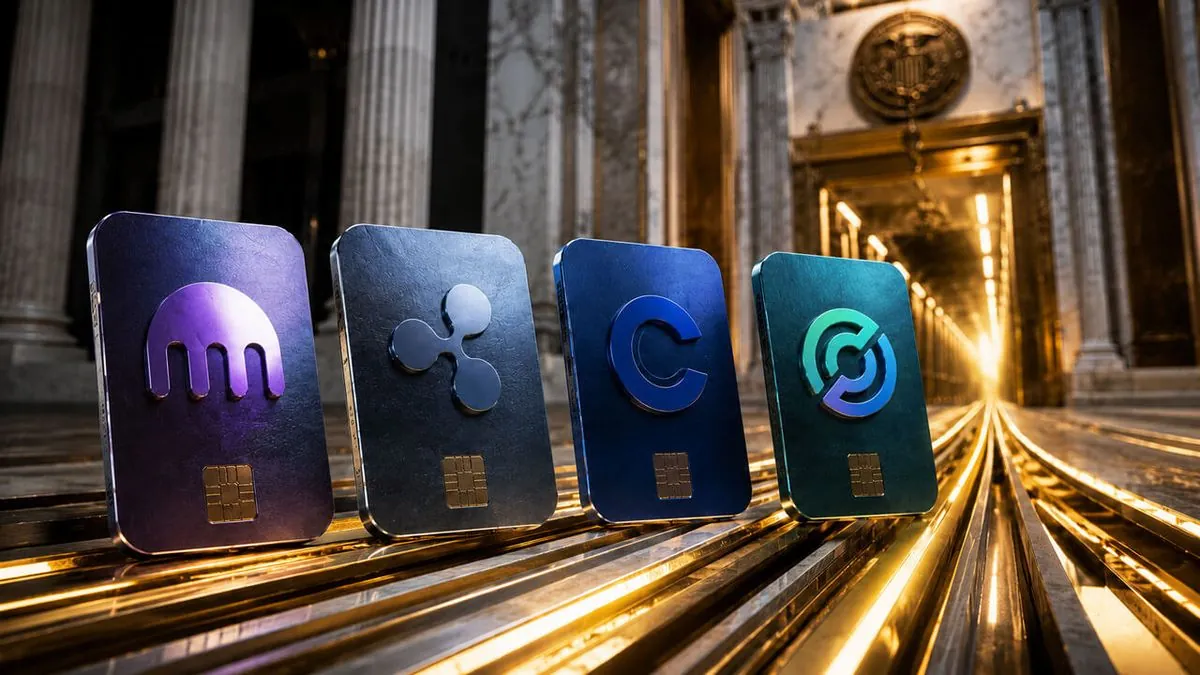
Circle has frozen more than $800 million in USDC linked to the October 29 breach at Binance, according to Crypto Briefing, which put the figure at approximately $823 million in a later update. Tether has frozen more than $1.5 billion in USDT, and Ripple has frozen about $200 million in its RLUSD stablecoin, Crypto Briefing reported. World Liberty Financial has also frozen roughly $27 million in USD1. Combined, the four issuers have immobilized more than $2.5 billion in breach-linked funds, and Binance says it has frozen about $3 billion of affected assets on-chain.
Circle CEO Jeremy Allaire and Tether CEO Paolo Ardoino both said on social media that their companies are coordinating with law enforcement on the freezes. The US Secret Service and the FBI are involved alongside Binance. Crypto Briefing reported the Secret Service partnership was confirmed on October 30, 2026. Decrypt, citing Reuters, reported that the FBI confirmed awareness of the incident and is working with public and private partners to assess its scope, while the Secret Service did not comment publicly.
Disagreement on the Size of the Theft
The sources differ on the headline loss. Crypto Briefing cites approximately $6.3 billion in affected assets, drawn from unauthorized withdrawals from Binance hot wallets, while Decrypt reports $6.4 billion. Binance CEO Richard Teng, as quoted by Decrypt, said the exchange had reserved more than $6.34 billion to cover stolen assets. Crypto Briefing describes that reserve as slightly exceeding the reported theft, which suggests full coverage is possible on paper. Neither source offers a reconciled figure, so the $6.3 billion to $6.4 billion range is the most defensible description. Crypto Briefing also describes the breach as the largest security incident in crypto exchange history and reports that the attack unfolded within 20 minutes across ten blockchains.
Stablecoin Freezes and Why Other Assets Are Harder
Stablecoin issuers can blacklist addresses holding their tokens, allowing them to immobilize funds before investigators identify the people responsible. Crypto Briefing notes that Bitcoin and Ether have no central issuer and therefore no equivalent mechanism, so recovering those assets would likely require cooperation from other exchanges where funds surface and court action across several jurisdictions.
Crypto Briefing also reported that Circle shares fell 5.6% after the news, while Bitcoin dropped more than 4% to around $78,000. Decrypt adds that Allaire said Circle would continue supporting the investigation.
Attribution and Earlier Incidents
Blockchain intelligence firms TRM Labs and Chainalysis have linked the theft to TraderTraitor, a group associated with North Korean cyber operations, according to Decrypt. Crypto Briefing reports that analysts have suggested the same group, but says the attribution has not been confirmed by the agencies leading the case. Decrypt also notes the FBI previously attributed the $1.5 billion Bybit hack in February 2025 to North Korean hackers.
Decrypt reports that Binance's chief security officer has said North Korean operatives repeatedly contacted employees through LinkedIn. Decrypt also notes an earlier joint effort, Operation Atlantic, in which the Secret Service and partners identified more than 20,000 victims of approval phishing scams in April.
Binance's Repayment Plan and Open Questions
Binance says it will cover customer losses using company funds and its Secure Asset Fund for Users (SAFU), and plans to repay users in the same tokens they lost, according to Crypto Briefing. Decrypt reports that approximately $3 billion had been located or frozen with industry partners as of Teng's remarks. The exchange's initial suspicion centered on a compromised laptop belonging to a DevOps engineer; it has since identified additional breach points and says it found no evidence that wallet private keys leaked. Withdrawals remain suspended while Binance reviews its infrastructure, with a resumption targeted for Sunday according to Decrypt.
The key figure to watch is the eventual recovery rate. Roughly half the stolen value had been frozen at the time of reporting, and much of the remainder sits in assets without a central issuer.
Why It Matters
For Traders
Binance withdrawals remain suspended and the recovery rate on non-stablecoin assets is uncertain, so exposure to exchange-linked liquidity and related pairs carries near-term volatility risk.
For Investors
The breach highlights concentration risk at a single exchange and shows stablecoin issuers can freeze funds, a control that could shape how institutions weigh USDC and USDT exposure.
For Builders
Protocols that rely on exchange custody or stablecoin transfers should review blacklisting risk and key-management practices, since the breach traced partly to a compromised employee device.
This article is for information only and is not financial advice. Read the full disclaimer.