Bitcoin ETFs Lose $729M in Two Days as October Outflows Accelerate
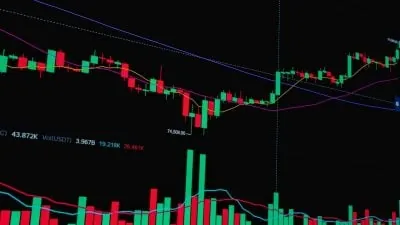
Bitcoin ETFs experienced $729 million in outflows over two consecutive days this week, part of a broader October retreat from crypto ETFs. The pullback coincides with renewed investor caution and heightened market volatility.
Written by CoinArticle’s AI Newsroom · from 2 cited sources. How we work
Bitcoin ETF Outflows Accelerate
Bitcoin ETFs shed $729 million in outflows over two trading days this week, according to Bitcoin Magazine. The pullback marks an intensification of October's broader trend: crypto ETFs as a category have shed $311.9 million in a single day during the month, per Crypto Briefing, indicating sustained pressure on inflows across multiple crypto asset classes.
October Sees Sustained Outflow Pressure
The two-day bitcoin ETF decline is the sharpest reported outflow event in the month so far. October has been marked by investor caution, with redemptions building across the crypto ETF space rather than concentrating in any single product. The timing suggests investors are reversing positions ahead of potential macroeconomic headwinds or reacting to near-term price weakness.
Price Impact and Investor Sentiment
Bitcoin Magazine attributed the outflows directly to price action, noting that the redemptions are "showing in the price." The combination of large single-day and multi-day outflows indicates that institutional and retail investors moving through ETF vehicles are de-risking at a faster pace than typical seasonal patterns would predict.
Why It Matters
For Traders
Large ETF redemptions in a short window signal potential downward pressure on BTC spot price; traders should monitor daily inflow-outflow data for flow reversals that may precede rallies.
For Investors
Sustained October outflows suggest institutional appetite for Bitcoin is cooling; multi-month holders should assess whether the outflows reflect macro headwinds or temporary profit-taking.
For Builders
ETF-driven volatility and redemption flows affect exchange liquidity and custody demand; infrastructure providers should stress-test for elevated deposit and withdrawal volumes.
This article is for information only and is not financial advice. Read the full disclaimer.