Ledger Theft Funds Convert to USDD to Evade Tether Freeze
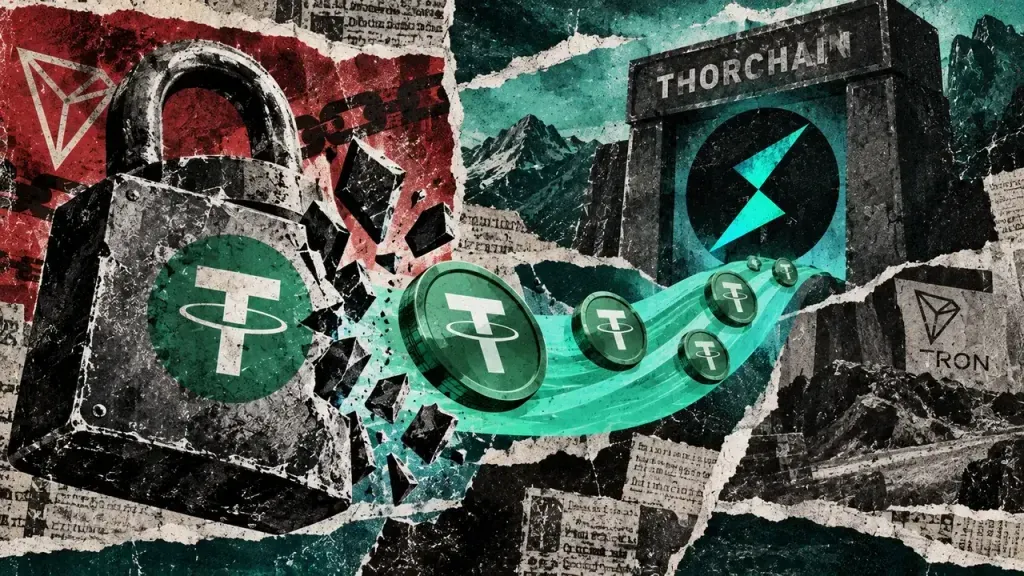
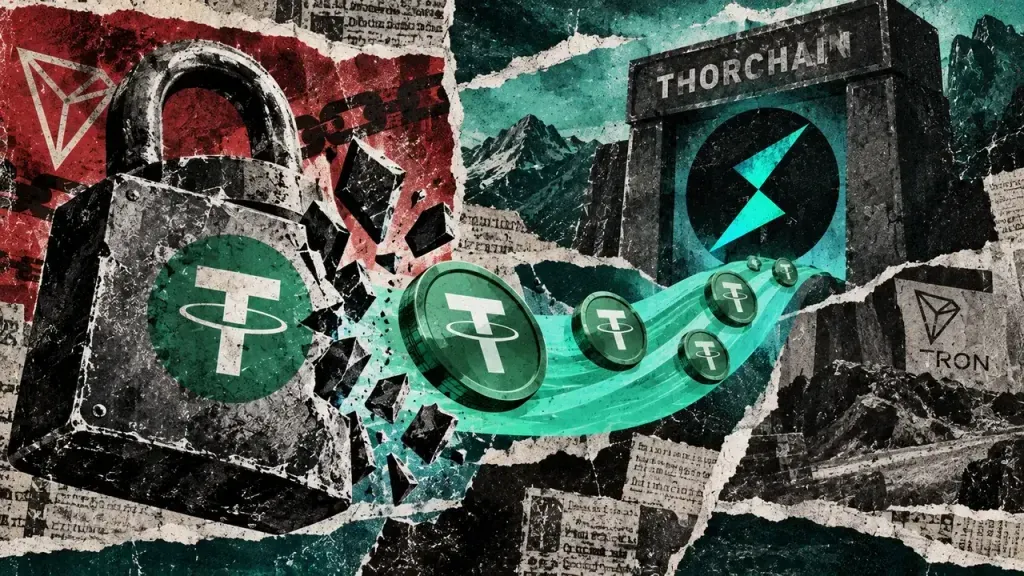
Blockchain data shows funds stolen in the Ledger hack have been converted from USDT to USDD through Tron's stability module to circumvent Tether's asset freezes. The shift highlights gaps in stablecoin freeze mechanisms and raises questions about regulatory enforcement across different issuers.
Written by CoinArticle’s AI Newsroom · from 2 cited sources. How we work
Story Updates
- Updated Oct 10, 2026, 03:02 AM: The Defiant confirms 2 million USDT conversion to USDD; Bitquery data shows $10 million in total Tether freezes across theft cluster.
The Conversion Pattern
Ledger theft-linked addresses have converted approximately 2 million USDT into USDD via Tron's stability module, according to on-chain records reviewed by The Defiant. The conversion allows stolen funds to move across the Tron network outside Tether's direct control. Bitquery, an on-chain analytics firm, estimated that Tether froze $10 million across the broader theft cluster, suggesting the USDD conversion represents one avenue among several through which stolen assets are being moved.
Stablecoin Freeze Divergence
The shift from USDT to USDD underscores a structural vulnerability: Tether can freeze USDT held at any address through its smart contract, but USDD, issued by Tron's Justin Sun-affiliated Tron DAO Reserve, operates under separate controls. A thief holding USDT faces asset seizure if identified; the same thief holding USDD faces no equivalent freeze risk from Tether. The conversion pattern suggests threat actors are actively exploiting this difference to preserve access to stolen value.
Regulatory and Security Implications
The incident raises questions about the consistency of anti-theft mechanisms across stablecoin issuers and whether regulatory frameworks adequately address cross-issuer fund flows. Tether's freeze capability, while effective against USDT directly, has limits when thieves can atomically swap into competing stablecoins. The pattern may prompt regulators to examine whether stablecoin issuers should coordinate freeze policies or whether law enforcement can compel cooperation across separate issuers.
Why It Matters
For Traders
USDD liquidity and redemption spreads may widen if Tron DAO initiates freeze action; monitor Tron network volume for signs of cascading asset moves.
For Investors
Stablecoin issuers without coordinated anti-theft policies face regulatory pressure and reputational risk as illicit actors exploit interoperability gaps.
For Builders
Cross-chain and cross-stablecoin DEX routing should account for potential freeze actions by competing issuers that could lock liquidity or fragment pools.
This article is for information only and is not financial advice. Read the full disclaimer.