Bitcoin Experts Divided Over Proposal to Freeze Satoshi's 1.1M BTC
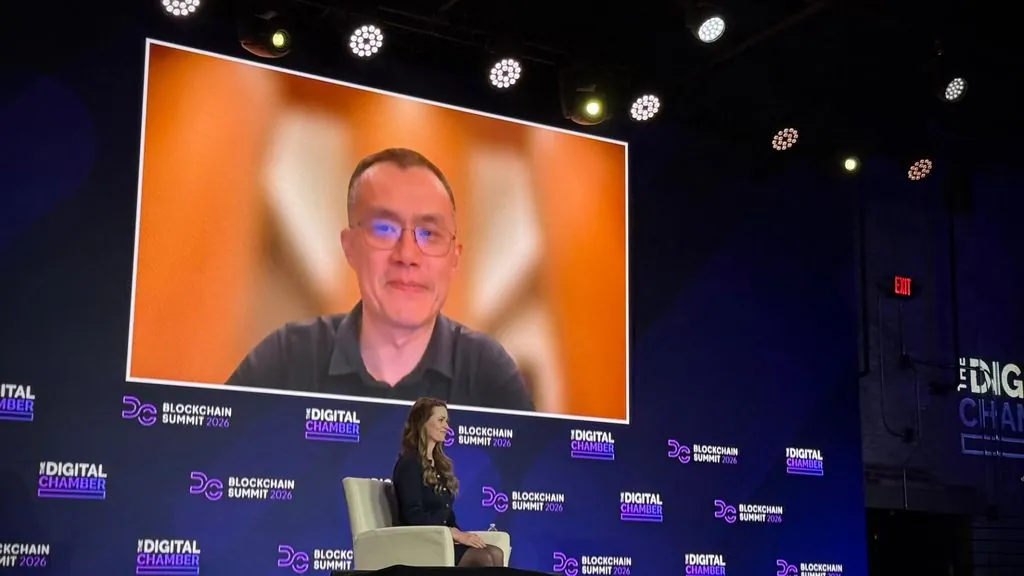
Binance founder Changpeng Zhao proposed freezing Satoshi Nakamoto's estimated 1.1 million bitcoin to prevent theft by quantum computers. The proposal has divided the Bitcoin community over technical feasibility and philosophical implications.
Written by CoinArticle’s AI Newsroom · from 1 cited source. How we work
Zhao's Quantum Security Argument
Changpeng Zhao, founder of Binance, argued that Satoshi Nakamoto's dormant bitcoin holdings should be frozen before quantum computers become powerful enough to compromise the cryptographic keys securing them. Zhao framed the measure as a defensive step to protect a foundational asset that could destabilize Bitcoin if stolen and liquidated. The proposal targets approximately 1.1 million bitcoin, which Satoshi is believed to hold across multiple early-era addresses but has never moved since the network's launch in 2009.
Community Pushback and Technical Questions
The proposal has met resistance from developers and security researchers who question both its technical merit and its alignment with Bitcoin's design principles. Critics point out that no consensus mechanism exists to "freeze" Bitcoin addresses without fundamental protocol changes that would require network-wide adoption. Others note that quantum computing threats to Bitcoin's ECDSA signature scheme remain largely theoretical, with no credible timeline for machines powerful enough to crack 256-bit keys. Some community members argue that attempting to freeze any address—even Satoshi's—sets a dangerous precedent for intervention in the network's permissionless model.
Quantum Threat Timeline Debate
Estimates for when quantum computers could pose a realistic threat to Bitcoin vary widely among experts. While cryptographers acknowledge that sufficiently advanced quantum machines could theoretically derive private keys from public keys, most assessments place such capability decades away. Bitcoin developers have discussed post-quantum signature schemes in technical forums, but no urgent migration timeline has emerged. The debate underscores the tension between proactive security and the risks of rushed protocol changes.
Why It Matters
For Traders
No imminent protocol change is evident, so Satoshi's holdings remain technically accessible if ever moved, creating uncertainty around a potential multi-billion-dollar liquidation event.
For Investors
The debate surfaces real concerns about Bitcoin's long-term cryptographic security, though consensus on solutions remains distant and may not require immediate action.
For Builders
Proposals like this may accelerate informal discussions around post-quantum signature schemes, but no mainnet-ready implementation is on the near-term roadmap.
This article is for information only and is not financial advice. Read the full disclaimer.