Bitcoin Falls to $62,900 as Geopolitical Tensions Weigh on Risk Assets
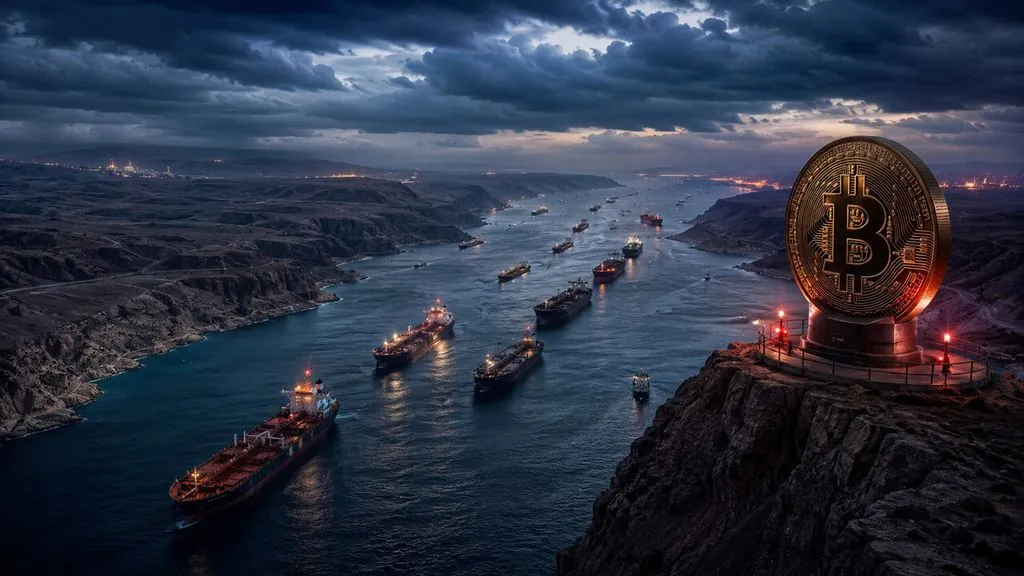
Bitcoin traded near $62,900 on Friday, down 38% from October's all-time high, as geopolitical tensions near the Strait of Hormuz pressured broader risk sentiment. The waterway's closure to normal commercial traffic sent crude oil above $85 per barrel, signaling elevated macro uncertainty.
Written by CoinArticle’s AI Newsroom · from 1 cited source. How we work
Bitcoin Declines Amid Oil Market Disruption
Bitcoin traded near $62,900 on Friday afternoon, representing a 38% decline from its October 2025 all-time high. The move came as geopolitical tensions around the Strait of Hormuz disrupted normal commercial shipping, with Brent crude settling above $85 per barrel. By early Saturday, Bitcoin had recovered modestly to around $63,900 before trading flat through the EU morning session.
Oil Supply Risk Weighs on Risk Assets
The Strait of Hormuz normally handles roughly 20% of the world's oil supply. Its closure to routine commercial traffic elevated concerns about global energy prices and broader economic uncertainty, pressuring risk-on assets including equities and cryptocurrencies. The combination of geopolitical risk and elevated crude prices typically dampens appetite for speculative holdings, creating headwinds for Bitcoin despite its historical role as a hedge asset.
Why It Matters
For Traders
Bitcoin's 38% drawdown from October highs combined with oil-driven macro volatility signals elevated intraday swings; position sizing should account for weekend liquidity gaps.
For Investors
Geopolitical supply shocks typically correlate with flight-to-safety moves away from crypto; sustained elevated crude may pressure Bitcoin's correlation with equities.
For Builders
Macro volatility and energy price spikes can increase network transaction costs and validator operational expenses; protocols should monitor on-chain activity during periods of external uncertainty.
This article is for information only and is not financial advice. Read the full disclaimer.