Bybit Wins Injunction to Freeze $1.5 Billion in Stolen Crypto Linked to North Korea
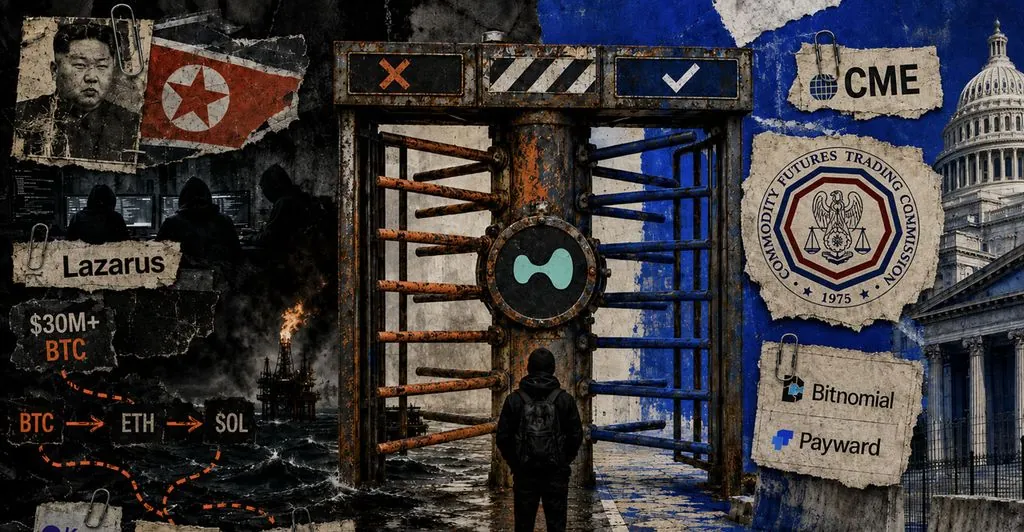
Bybit obtained a preliminary injunction in US District Court blocking defendants from moving or selling cryptocurrency stolen in a $1.5 billion hack. The court order targets assets linked to North Korea's Reconnaissance General Bureau and the Lazarus Group.
Written by CoinArticle’s AI Newsroom · from 1 cited source. How we work
Court Action and Injunction
Bybit filed suit in US District Court for the District of Columbia against North Korea, its Reconnaissance General Bureau, and the Lazarus Group, seeking to freeze stolen assets. A judge granted a preliminary injunction barring unnamed defendants from transferring or liquidating the identified cryptocurrency, according to public court filings.
What the Injunction Covers
Court reporting does not confirm whether the injunction covers the full $1.5 billion in stolen funds or a subset of identified assets. The preliminary nature of the order suggests the case remains in early proceedings, with the scope of frozen assets still subject to clarification in future filings or rulings.
Broader Questions on Crypto Recovery
The case highlights a tension in cryptocurrency enforcement: while courts can issue freezing orders on-chain assets, legal remedies depend heavily on whether defendants have jurisdictional ties or assets subject to US court authority. North Korea's sovereign immunity status and the pseudo-anonymous nature of blockchain addresses complicate enforcement, even after an injunction is secured.
Why It Matters
For Traders
Frozen assets tied to known threat actors reduce the pool of stolen coins that could be dumped on exchanges, potentially tightening illicit supply in the near term.
For Investors
Court victories against state-linked hackers establish precedent for civil recovery actions, though enforcement against foreign governments remains uncertain without voluntary compliance.
For Builders
Injunctions targeting blockchain addresses demonstrate that courts can restrict on-chain activity through legal order, relevant to protocol teams evaluating sanction tooling and compliance frameworks.
This article is for information only and is not financial advice. Read the full disclaimer.