Conduit Sues Tether Over $2.76 Million in Frozen USDT
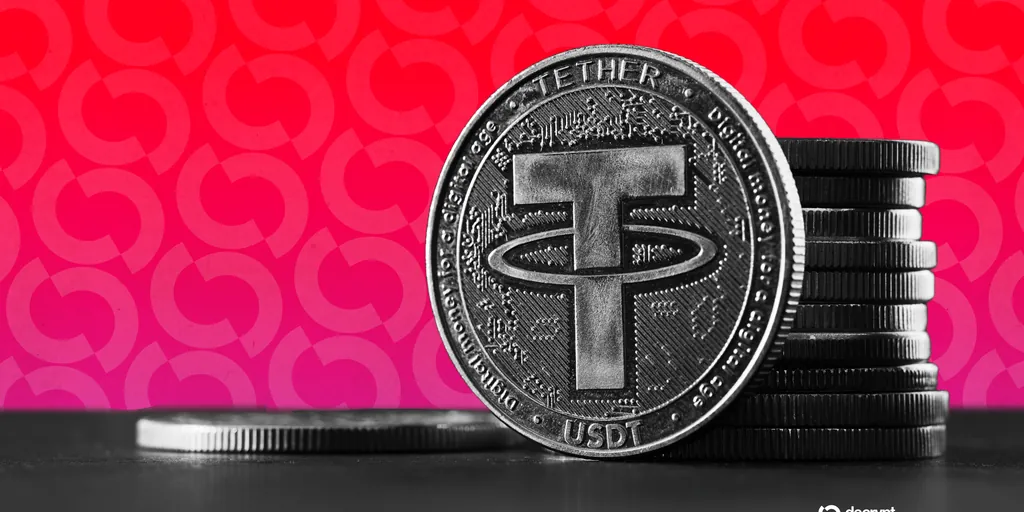
Payments firm Conduit filed a lawsuit against Tether claiming the stablecoin issuer froze $2.76 million in USDT held in its treasury wallet and has refused to release the funds for over a year. Conduit alleges Tether acted unilaterally in response to a Brazilian investigation unrelated to the company.
Written by CoinArticle’s AI Newsroom · from 2 cited sources. How we work
The Freezing and Its Cause
Conduit alleges that Tether unilaterally froze $2.76 million in USDT held in the company's treasury wallet, according to reporting from Decrypt. Conduit claims the freeze stems from a Brazilian investigation into which the payments firm says it has no connection. Tether has not publicly disclosed the specific basis for the freeze or confirmed Conduit's characterization of its lack of involvement in the investigation.
Conduit's Allegations
Conduit claims Tether has held the funds frozen for over a year while continuing to earn returns on the reserves, according to Decrypt. The lawsuit raises questions about stablecoin issuer discretion over user-held assets and the legal recourse available to firms when funds are frozen. Conduit contends it has had no opportunity to access or move the assets despite repeated requests, highlighting potential counterparty risks inherent in stablecoin transactions where a single issuer controls the underlying reserves.
Broader Implications
The dispute underscores the concentration of control in stablecoin infrastructure: USDT holders depend entirely on Tether's willingness to honor redemptions and transfer requests. While Tether has previously frozen accounts in response to regulatory requests or suspected sanctions violations, Conduit's complaint suggests that freezes may occur without transparent legal process or clear notification to affected parties. The case may inform how issuers balance compliance obligations against contractual duties to account holders.
Why It Matters
For Traders
USDT counterparty risk has surfaced in a court filing; traders holding large USDT positions should weigh concentration and freezing risk against liquidity convenience.
For Investors
The lawsuit reveals stablecoin issuers can freeze reserves unilaterally without transparent process, raising structural questions about custody and redemption rights for dollar-denominated crypto infrastructure.
For Builders
Protocols relying on USDT as collateral or reserves should model scenarios where issuer-level freezes disrupt operations; this case may accelerate demand for decentralized or multi-issuer stablecoin alternatives.
This article is for information only and is not financial advice. Read the full disclaimer.