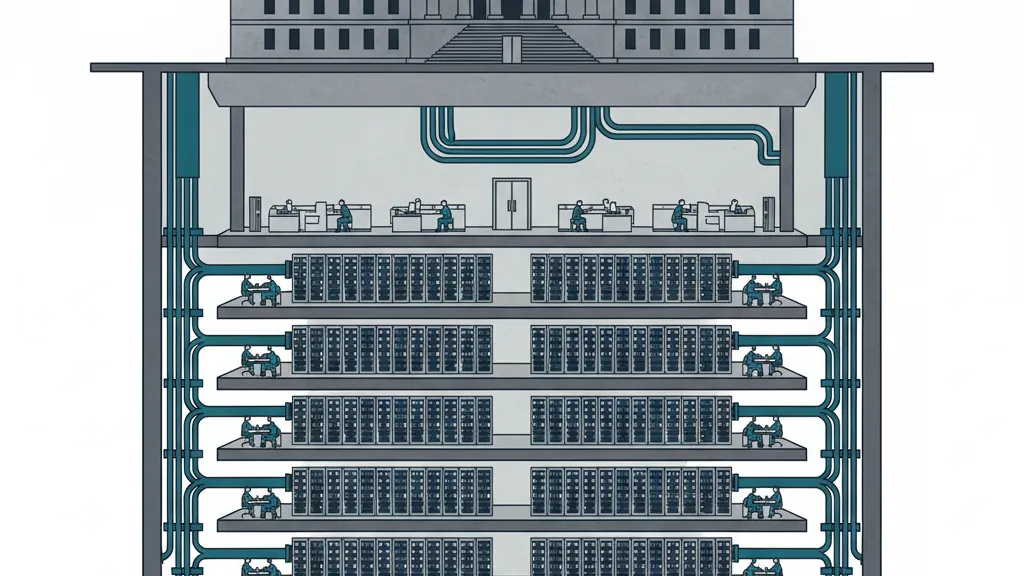
ECB Says Digital Euro Will Offer Cash-Like Privacy, With Limits
ECB officials said the digital euro will prevent the central bank from linking users to transactions, matching cash-level privacy. However, commercial banks handling payments could still identify users, and privacy advocates are pushing for stronger technical safeguards before EU rules finalize.
Written by CoinArticle’s AI Newsroom · from 2 cited sources. How we work
ECB's Privacy Commitment
The ECB said it will not be able to link digital euro users to their payments, according to remarks from Piero Cipollone, a member of the ECB's governing board. The central bank framed this as "maximum level of privacy" and drew a comparison to physical cash, where the issuer has no record of individual transactions. The ECB emphasized that this technical architecture was a design choice, not a regulatory constraint.
The Banks-Still-Can-See Problem
Cipollone clarified a critical distinction: while the ECB cannot link transactions to individuals, commercial banks handling the payments retain the ability to identify their customers. This two-tier privacy model differs from the anonymity of physical cash, where neither the central bank nor any intermediary holds identifying transaction records. Privacy groups have flagged this gap as a potential backdoor for surveillance and have called for stronger technical safeguards to be embedded in the digital euro's architecture before the EU finalizes its rulebook.
What Happens Next
The ECB's privacy commitments are not yet locked into law. Regulators and stakeholders are still negotiating the technical and legal framework for the digital euro's rollout. Privacy advocates have signaled they will push for additional protections—such as mandatory anonymization thresholds or cryptographic commitments that prevent even participating banks from storing certain transaction metadata—before the EU's rules are finalized.
Why It Matters
For Traders
Central bank digital currency rollouts in major markets can influence stablecoin adoption and crypto onramps; privacy guarantees shape how institutional players view euro-denominated digital assets.
For Investors
ECB's privacy stance signals regulatory appetite for digital currency design; gaps between ECB privacy and bank-level visibility may shift institutional demand toward private cryptocurrencies or privacy-focused protocols.
For Builders
Privacy-preserving CBDC architectures are becoming a competitive surface; protocols and applications designed for euro settlement should model bank-versus-issuer data segregation into their custody and settlement layers.
This article is for information only and is not financial advice. Read the full disclaimer.