Europe's Potential Hormuz Funding Role Signals Geopolitical Shift in Energy Markets
European nations may take on financial responsibility for maintaining open shipping through the Strait of Hormuz, a critical chokepoint for global oil flows. The shift could reshape energy market dynamics and reduce direct U.S. military involvement in the region.
Written by CoinArticle’s AI Newsroom · from 1 cited source. How we work
Strategic Shift in Middle East Energy Infrastructure
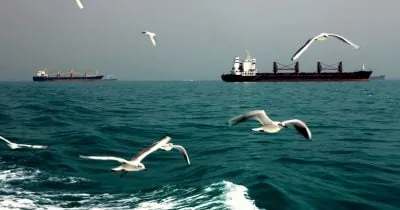
Europe is considering financial participation in efforts to keep the Strait of Hormuz navigable, according to reporting by the Telegraph. The strait remains one of the world's most critical energy transit points, with roughly one-third of global seaborne oil passing through it annually. European involvement would represent a departure from the historically U.S.-led security model in the region.
Potential Market and Geopolitical Implications
Direct European funding could reduce reliance on U.S. military presence to guarantee passage, lowering intervention costs for Washington while giving European nations greater influence over regional stability. The arrangement may also diminish Iran's ability to leverage threats against shipping as a bargaining tool in international negotiations. Stabilized energy transit corridors typically correlate with lower oil price volatility and reduced risk premiums on crude futures.
Energy Market Considerations
Oil prices, tracked through contracts like West Texas Intermediate and Brent crude, have historically spiked during Hormuz-related tensions. A credible European-backed security framework could reduce geopolitical risk premia embedded in energy prices, though implementation timelines and enforcement mechanisms remain unclear from available reporting.
Why It Matters
For Traders
Oil price volatility may decline if European funding stabilizes Hormuz passage, reducing geopolitical risk spikes that typically drive intraday crude swings.
For Investors
Reduced U.S. military expenditure in the Middle East could reshape geopolitical risk premiums across energy and defense equities over coming quarters.
For Builders
Energy-pegged protocols and oracle designs dependent on oil price stability may face fewer black-swan tail events if shipping transit becomes more predictable.
This article is for information only and is not financial advice. Read the full disclaimer.