Geopolitical Tensions Could Reshape Crypto Market Volatility
General Caine advised Trump officials to pursue diplomatic resolution in U.S.-Iran tensions, signaling potential de-escalation in geopolitical conflict. Historical patterns suggest reduced military tensions typically correlate with lower crypto market volatility and risk-off trading.
Written by CoinArticle’s AI Newsroom · from 1 cited source. How we work
Diplomatic Approach Gains Ground
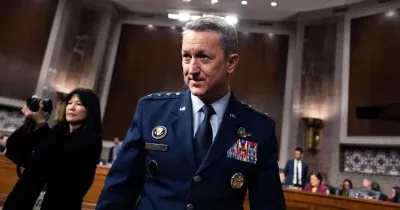
General Caine recommended Trump administration officials pursue a diplomatic exit strategy regarding Iran conflict, according to reporting from Crypto Briefing. The general's advisory suggests a shift toward negotiated resolution rather than military escalation, a posture that could materially alter the trajectory of U.S.-Iran relations over the coming months.
Geopolitical Risk and Crypto Markets
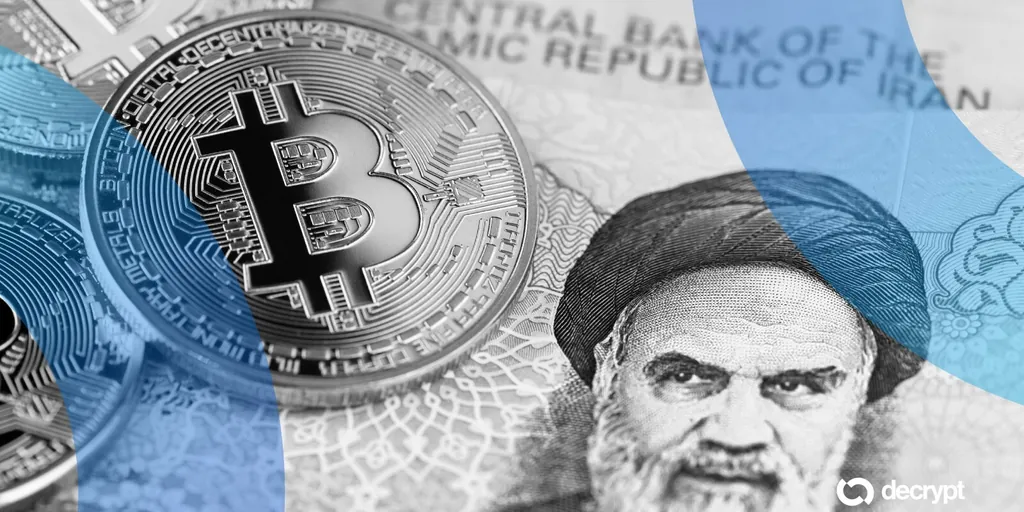
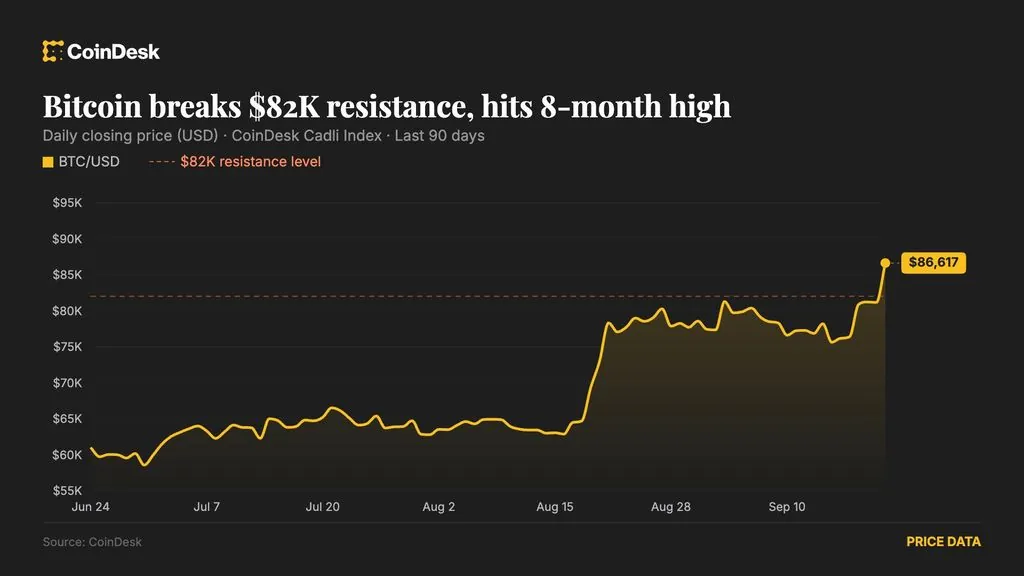
Historically, periods of elevated geopolitical tension drive capital flows into perceived safe havens, including Bitcoin and stablecoins, as traders hedge against currency debasement and market uncertainty. Conversely, credible signals of diplomatic de-escalation have often preceded periods of reduced volatility across risk assets, including cryptocurrencies. The outcome of U.S.-Iran negotiations could influence both traditional market sentiment and on-chain trading patterns through the first half of 2025.
Broader Macro Implications
U.S. military expenditure tied to Middle East operations affects federal spending and monetary policy, which in turn influences inflation expectations and dollar strength—both factors that historically correlate with Bitcoin and altcoin valuations. A shift toward diplomacy could reduce pressure on government spending, though the macro effects would likely play out over quarters rather than weeks.
Why It Matters
For Traders
Reduced geopolitical risk premiums may lower volatility and intraday swings in Bitcoin and Ethereum over the near term, affecting leverage and hedging decisions.
For Investors
De-escalation in Middle East tensions historically correlates with lower inflation expectations and stable dollar strength, both supportive for long-term crypto valuations.
For Builders
Lower geopolitical uncertainty typically reduces demand for censorship-resistant assets and cross-border payment mechanisms, potentially affecting protocol adoption narratives.
This article is for information only and is not financial advice. Read the full disclaimer.