House Ways and Means Panel Weighs Crypto Tax Treatment for Staking, Mining, and Stablecoins
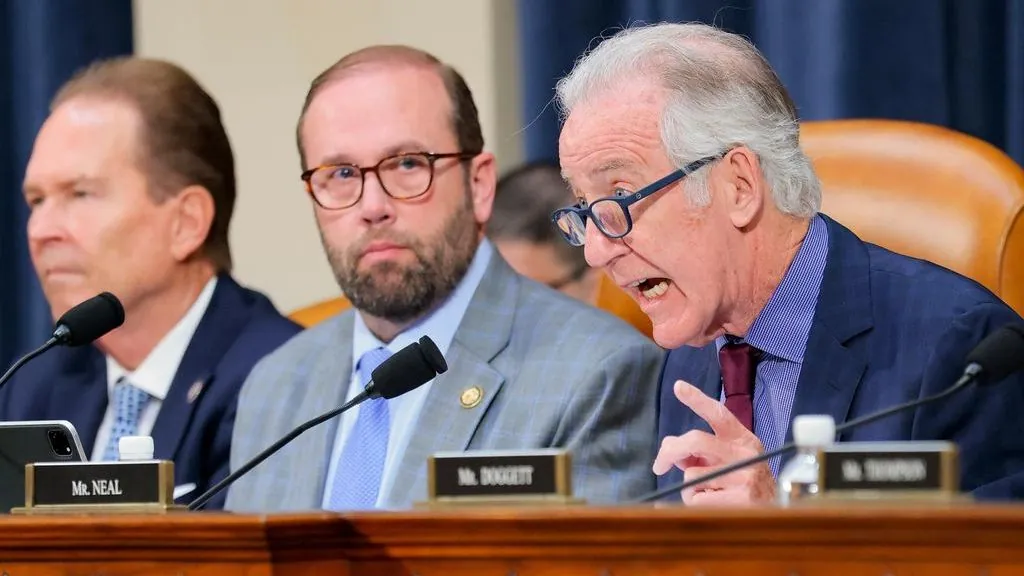
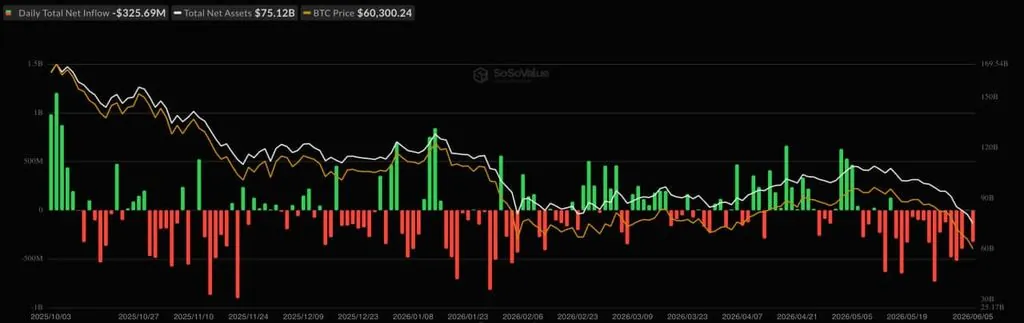
The House Ways and Means Committee is reviewing draft legislation that would clarify tax treatment for staking rewards, mining income, network fees, and stablecoin transactions. A June 9 hearing will examine whether tax relief should extend beyond stablecoins to other crypto activities.
Written by CoinArticle’s AI Newsroom · from 2 cited sources. How we work
Scope of the Draft Legislation
The House Ways and Means Committee is preparing bills that would establish new tax rules for several categories of cryptocurrency activity: staking rewards, mining income, network transaction fees, and stablecoin payments. The drafts also address tax treatment for donations made in crypto. The committee has scheduled a June 9 hearing to examine these proposals and determine which activities warrant relief from current tax reporting burdens.
The Stablecoin Question
A central point of debate is whether tax relief should be limited to stablecoin transactions or extended more broadly. The June 9 hearing will test whether small crypto payments, network fee structures, mining rewards, and staking income all warrant the same regulatory treatment from a tax compliance perspective. The framing suggests lawmakers are weighing whether to carve out stablecoins as a special category — potentially treated like traditional payments for tax purposes — while subjecting other crypto activities to existing asset-sale rules that require tracking basis and reporting gains.
Why It Matters
For Traders
Clarity on staking and mining tax treatment could reshape the cost-benefit of yield-generating strategies, though final rules likely won't land for months.
For Investors
Tax policy that carves out stablecoins or simplifies reporting for small transactions could accelerate on-chain payment adoption and lower friction for crypto-denominated financial services.
For Builders
Developers of staking infrastructure, layer-2 payment networks, and tokenomics-heavy protocols need to watch how the IRS guidance adapts to these rules once enacted.
This article is for information only and is not financial advice. Read the full disclaimer.