Oil Market Volatility From Houthi Attacks Signals Risk for Crypto-Correlated Assets
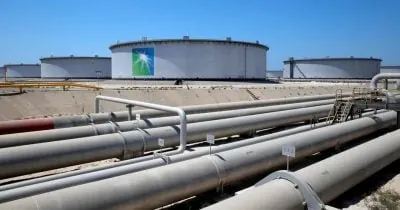
Houthi attacks on Saudi Arabian oil infrastructure have intensified regional tensions and disrupted energy markets. The supply shocks are raising broader macroeconomic concerns that typically correlate with crypto volatility and risk-asset repricing.
Written by CoinArticle’s AI Newsroom · from 1 cited source. How we work
Escalating Attacks and Supply Risk
Houthi military operations targeting Saudi oil facilities have accelerated in recent weeks, threatening critical infrastructure in the world's largest oil exporter. The attacks increase the risk of sustained supply disruptions in the Strait of Hormuz region, through which roughly one-third of global seaborne petroleum passes. Each strike raises the probability of a significant crude price spike, which historically correlates with broader financial market stress.
Market Implications for Risk Assets
Oil supply shocks typically trigger a flight to safety, reducing investor appetite for higher-volatility asset classes including cryptocurrencies. Bitcoin and Ethereum have shown consistent negative correlation with energy price spikes during geopolitical events, as institutional capital rotates toward bonds and commodities. The ongoing regional instability creates a backdrop of elevated macro uncertainty that could suppress risk asset demand in the near to medium term.
Broader Geopolitical Context
The attacks reflect deeper regional conflicts that show no sign of resolution, potentially sustaining energy price volatility for months ahead. Central banks watching inflation dynamics may factor energy security concerns into policy decisions, indirectly shaping monetary conditions that affect crypto markets. Traders should monitor crude futures and regional tension indicators as leading signals for broader market repricing.
Why It Matters
For Traders
Oil price spikes during geopolitical supply disruptions have historically preceded crypto selloffs; monitor WTI crude futures as a leading indicator for short-term crypto weakness.
For Investors
Persistent energy security concerns could keep macro volatility elevated, reducing institutional appetite for risk assets and dampening longer-term crypto adoption narratives.
For Builders
Infrastructure protocols relying on stable macroeconomic conditions and predictable capital flows may face tighter liquidity; stablecoin reserves could face redemption pressure if broader risk-off accelerates.
This article is for information only and is not financial advice. Read the full disclaimer.