IMF Says El Salvador's 1,540 Bitcoin Came From Private Donations, Not State Funds
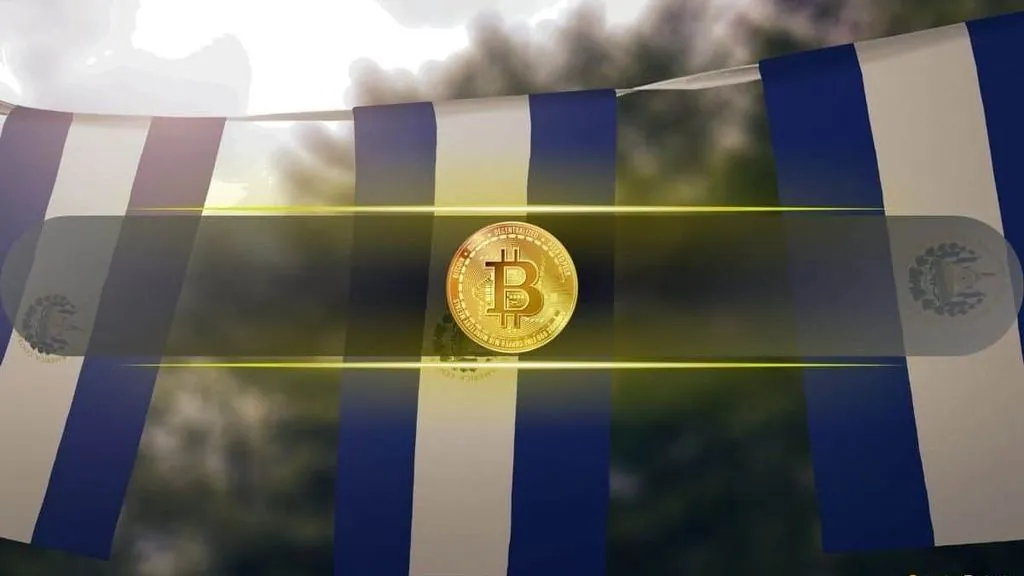
An IMF disclosure revealed El Salvador accumulated 1,540 Bitcoin since its first review without using public resources, contradicting the government's messaging about state-funded purchases. The accumulation came from private donations rather than government spending, according to the fund's latest report.
Written by CoinArticle’s AI Newsroom · from 2 cited sources. How we work
IMF Disclosure Contradicts Official Narrative
El Salvador's government has promoted a narrative of acquiring Bitcoin through regular state purchases—the so-called "one Bitcoin a day" program. However, a new IMF disclosure states that no public resources funded the 1,540 Bitcoin accumulation during its review period, according to reports from CryptoSlate and CryptoPotato. The finding exposes a material discrepancy between Bukele administration messaging and how the holdings were actually acquired.
Source of the Holdings
The IMF confirmed that the recent Bitcoin accumulation came from private donations rather than government budget allocations. The distinction matters for fiscal transparency: if El Salvador were spending state funds on Bitcoin, those expenditures would appear as line items in the national budget and debt calculations reviewed by international lenders. Private donations, by contrast, bypass the state treasury entirely and do not factor into the IMF's assessment of fiscal sustainability.
Broader Context
El Salvador became the first nation to adopt Bitcoin as legal tender in 2021 under President Nayib Bukele. The country's relationship with the IMF has been complicated by Bukele's Bitcoin policies; the fund has long expressed concern about the volatility and fiscal risks of holding a non-yielding asset on the state balance sheet. This latest disclosure suggests the government's public statements about its Bitcoin acquisition strategy may have obscured the actual funding mechanism.
Why It Matters
For Traders
El Salvador's official Bitcoin accumulation pace may be slower or less consistent than public statements suggested, affecting narratives around sovereign adoption and demand.
For Investors
The IMF's scrutiny of El Salvador's Bitcoin holdings underscores regulatory and multilateral lender skepticism toward national cryptocurrency reserves, relevant for other nations considering similar moves.
For Builders
State-level Bitcoin adoption remains politically volatile and fiscally contested; dependence on private donations rather than budget allocation reveals constraints on institutional accumulation at the sovereign level.
This article is for information only and is not financial advice. Read the full disclaimer.