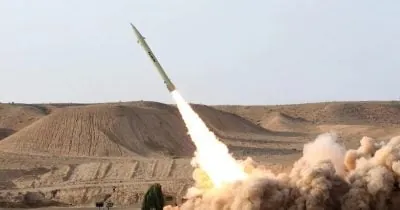
Iran-Kuwait Tensions Escalate as Geopolitical Risk Weighs on Oil Markets
Iran launched a missile strike against a Kuwaiti air base on July 22, marking its third military action against a Gulf state in 2026. The escalation has renewed focus on geopolitical premium in crude oil pricing, a key macro driver for cryptocurrency markets.
Written by CoinArticle’s AI Newsroom · from 1 cited source. How we work
Iranian Military Action in the Gulf
Iran struck a Kuwaiti air base with a Fateh-110 missile on July 22, according to reports citing military sources. The strike represents the third Iranian attack on a Gulf Cooperation Council state in 2026, signaling a sustained pattern of military escalation in a region critical to global energy supply.
Implications for Oil Markets and Risk Assets
Gulf tensions historically drive crude oil volatility and widen the geopolitical risk premium embedded in prices. Oil serves as a macro input for cryptocurrency markets—periods of elevated energy costs and broader risk-off sentiment often coincide with reduced institutional appetite for alternative assets. Traders monitor crude futures and equity index weakness as early signals of broader market repricing.
Attribution and Uncertainty
The specific military objective and scope of damage remain unclear from available reporting. Geopolitical events in the Gulf often move markets on incomplete information, making real-time attribution difficult. Further escalation or diplomatic intervention in the coming hours could materially shift risk appetite across commodities, equities, and digital assets.
Why It Matters
For Traders
Crude oil volatility tends to spike on Gulf tensions; watch WTI futures and equity index weakness as leading indicators for broader risk-off moves in crypto.
For Investors
Geopolitical shocks to energy markets can reduce institutional capital allocation to alternative assets; macro hedges and stablecoin demand may rise if risk sentiment deteriorates.
For Builders
Protocol teams relying on institutional inflows should monitor macro risk indicators; periods of geopolitical stress often precede capital flight to traditional safe havens.
This article is for information only and is not financial advice. Read the full disclaimer.