Iran's Political Turmoil Adds to Macro Uncertainty for Risk Assets
Iranian President Pezeshkian threatened resignation over the rejection of a US agreement, signaling deepening domestic political fractures. The development adds to geopolitical volatility at a time when macro uncertainty already weighs on risk assets including cryptocurrencies.
Written by CoinArticle’s AI Newsroom · from 1 cited source. How we work
Political Crisis in Tehran
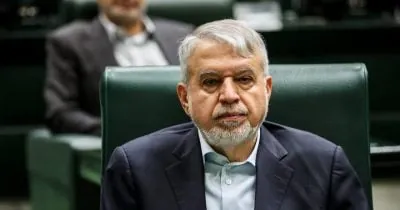
Iranian President Masoud Pezeshkian threatened to resign after his government's proposal for a US agreement was rejected, according to reports Monday. The rejection reflects internal power struggles between different factions within Iran's government over how to manage relations with the United States amid ongoing economic pressures.
Geopolitical Implications
Pezeshkian's potential departure would mark a significant shift in Iran's political leadership and could reshape negotiations with Western powers. The instability comes as Iran faces sustained economic sanctions and currency pressures, limiting its policy flexibility in both domestic and foreign affairs.
Broader Market Context
Geopolitical crises in major oil-producing regions historically correlate with commodity volatility and risk-asset selloffs. Cryptocurrencies, which trade as risk assets alongside equities and commodities, often decline when geopolitical tensions rise and investors shift toward safe havens like US Treasuries and the dollar.
Why It Matters
For Traders
Sustained geopolitical risk in oil-producing regions typically triggers flight-to-safety trades that pressure risk assets; watch for correlated moves in BTC and equities if tensions escalate.
For Investors
Deepening Middle East instability could prolong macro uncertainty and weigh on risk sentiment for months, potentially affecting crypto's correlation with equities and macro factors.
For Builders
Geopolitical disruption in oil economies may slow adoption of crypto for cross-border payments and remittances in the region, though long-term sanctions dynamics remain a tailwind for decentralized finance.
This article is for information only and is not financial advice. Read the full disclaimer.