Iran's Strait of Hormuz Stance Raises Oil and Macro Risk for Crypto Markets
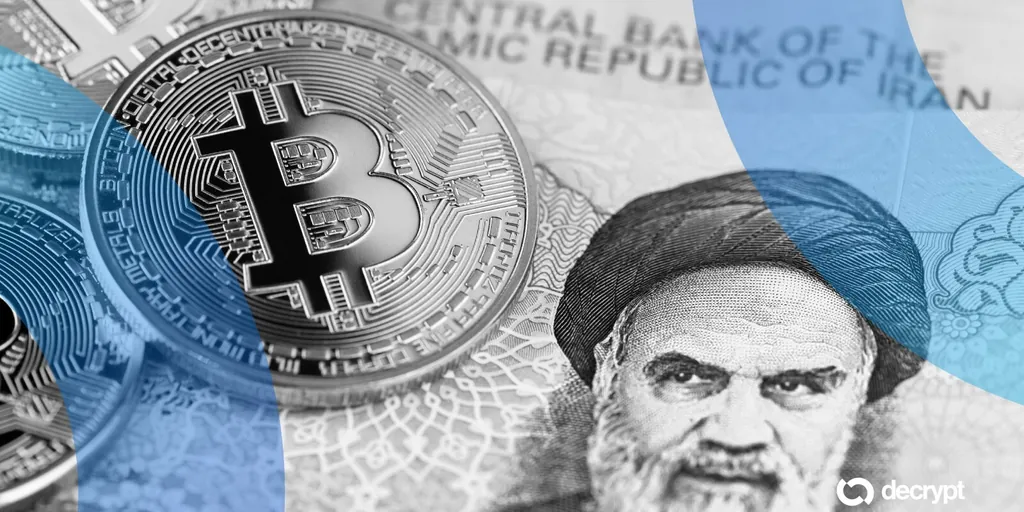
Iran declared control of the Strait of Hormuz a nonnegotiable priority, escalating regional tensions and raising the risk of disruption to global energy supplies. Historically, such geopolitical friction has driven macro volatility that spills into cryptocurrency markets.
Written by CoinArticle’s AI Newsroom · from 1 cited source. How we work
The Statement and Its Context
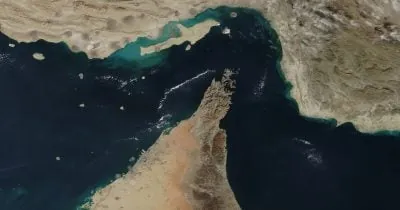
Iran reiterated its position that securing the Strait of Hormuz remains a core national interest, according to regional reporting. The declaration reflects ongoing friction between Iran and Western powers over maritime transit rights and sanctions enforcement in one of the world's most critical oil chokepoints. Roughly 21% of global petroleum passes through the strait, making it central to energy security and commodity pricing.
Macro Spillover Into Risk Assets
Geopolitical tensions in the Persian Gulf have historically driven oil price volatility, which in turn affects macro sentiment and flows into risk assets including cryptocurrencies. Bitcoin and Ethereum tend to trade lower during periods of elevated commodity inflation and elevated real yields, both typical consequences of energy market disruption. Crypto traders monitor such headline risk as a leading indicator for broader equity and currency market stress.
Why This Matters for Crypto Portfolios
While crypto markets are not directly regulated by energy policy, they are sensitive to the macro conditions that energy shocks produce. A significant supply disruption would likely raise crude prices, boost inflation expectations, and tighten financial conditions—all conditions that have previously corresponded with crypto market drawdowns. Conversely, a de-escalation or diplomatic resolution could ease inflation fears and support risk appetite more broadly.
Why It Matters
For Traders
Oil futures spikes often precede crypto volatility; elevated Brent crude could signal risk-off sentiment that pressures BTC and ETH over the next 24-72 hours.
For Investors
Prolonged geopolitical friction raises structural macro risk; stagflationary scenarios reduce real returns for crypto and other risk assets over multi-month horizons.
For Builders
Protocol token valuations are sensitive to macro regime shifts; sustained energy-crisis inflation could dampen venture funding and user growth for Layer 1 and DeFi projects.
This article is for information only and is not financial advice. Read the full disclaimer.