Oil Market Steadies as Iran-US Tensions Spike; Strait of Hormuz Remains Open
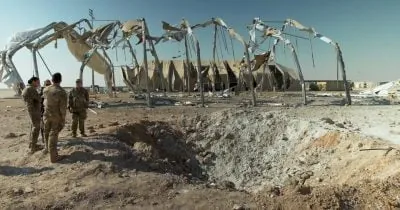
Iran launched intensified missile attacks on US military bases in the Gulf region, raising immediate concerns about potential disruption to crude oil shipments through the Strait of Hormuz. As of August 31, shipping traffic through the chokepoint remained normal at typical volumes, with no reported blockade.
Written by CoinArticle’s AI Newsroom · from 1 cited source. How we work
Escalation in the Gulf
Iran conducted multiple missile strikes targeting US military installations across the Gulf, according to reports circulating Tuesday. The attacks represent a significant escalation in the months-long standoff between Tehran and Washington over regional influence and US sanctions policy.
Strait Traffic Uninterrupted
Despite the military action, the Strait of Hormuz—through which roughly one-third of the world's seaborne crude oil passes—saw no material disruption to vessel traffic as of August 31. Daily throughput remained at baseline levels, suggesting market participants have not yet priced in a sustained blockade scenario.
Why Traders Watch the Chokepoint
The Strait of Hormuz carries approximately 21 million barrels per day during normal conditions. Any sustained closure or material reduction in transit capacity can move crude prices by several dollars per barrel within hours. Oil futures initially spiked on the headline but retreated once transit data confirmed no stoppage, a pattern consistent with event-driven volatility in energy markets.
Why It Matters
For Traders
Oil volatility from geopolitical events can ripple into Bitcoin and Ethereum correlations within 24-48 hours; watch crude futures for early signals of broader macro stress.
For Investors
Sustained Gulf tensions reduce visibility on energy costs and global supply chains, typically pushing institutional capital toward macro hedges and stable assets.
For Builders
Infrastructure projects tied to energy or global logistics face execution risk; DeFi protocols with significant TVL in energy-linked stablecoins should monitor policy developments.
This article is for information only and is not financial advice. Read the full disclaimer.