Ledger Says CryptoBilis Reseller Responsible for $87M–$93M Drain
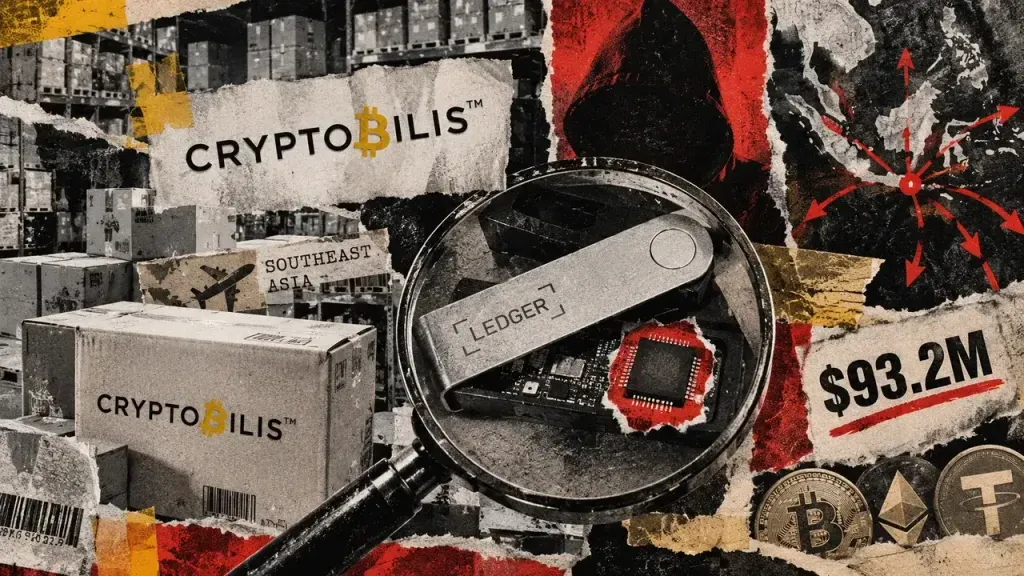
Ledger attributed a major cryptocurrency theft to CryptoBilis, a third-party reseller, saying its own systems and direct sales channels were unaffected. Bitquery estimated total losses at $93.2 million across six chains, while Ledger has not announced a repayment plan for compromised users.
Written by CoinArticle’s AI Newsroom · from 2 cited sources. How we work
Attribution to Third-Party Reseller
Ledger said in a statement that all confirmed cases in the suspected drain were tied to CryptoBilis, a reseller of Ledger hardware wallets, and that the company's own infrastructure and direct sales were not compromised. According to Ledger, CryptoBilis has ceased selling hardware wallets. Ledger did not disclose how many users were affected or provide details on how the reseller's supply chain was exploited.
Diverging Loss Estimates
Bitquery, the blockchain data firm, estimated total losses at $93.2 million spanning six chains, while Ledger's public statements have not confirmed a specific figure. Decrypt reported Ledger characterized the loss at $87 million. The discrepancy between the two figures—a roughly $6 million spread—remains unresolved, with no clear explanation of which estimate accounts for recovered or frozen funds.
No Repayment Announcement
Ledger has not outlined a path to compensate affected buyers. The Defiant reported that the firm's latest update offered no repayment plan for customers who lost funds. CryptoBilis was reportedly involved in draining a wallet linked to the breach, according to Bitquery's analysis, though Ledger has not detailed the mechanics of how the reseller's channel was weaponized or whether supply-chain tampering or credential theft played a role.
Why It Matters
For Traders
Users who purchased hardware wallets through third-party resellers face uncompensated losses; verify future hardware purchases through Ledger's official channels to avoid similar supply-chain breaches.
For Investors
A major reseller channel compromise signals systemic risk in hardware wallet distribution and raises questions about Ledger's vetting and monitoring of authorized retailers.
For Builders
Self-custodial security remains dependent on the integrity of physical device supply chains; protocols should document best practices for users purchasing cold storage through non-direct channels.
This article is for information only and is not financial advice. Read the full disclaimer.