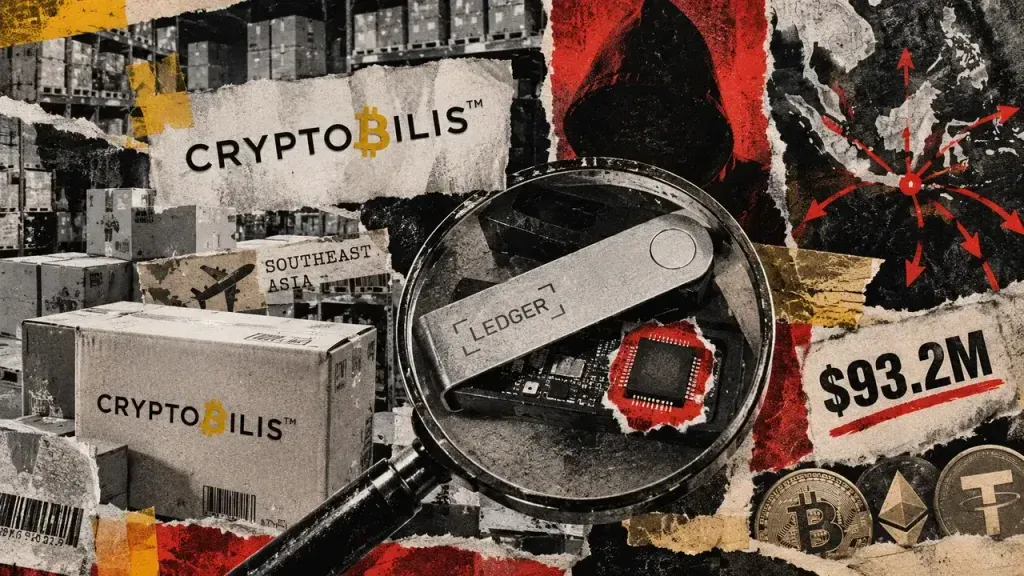
Ledger Confirms Unauthorized Implant in CryptoBilis Reseller Devices
Ledger confirmed an unauthorized hardware implant in at least one device sold by Southeast Asian reseller CryptoBilis, with all confirmed cases linked to that channel. Independent investigators estimate the scheme has drained $93.2 million, though the company says its internal systems remain unaffected.
Written by CoinArticle’s AI Newsroom · from 3 cited sources. How we work
Story Updates
- Updated Oct 13, 2026, 08:09 AM: Ledger clarified that its internal systems remain unaffected and confirmed cases are limited to CryptoBilis channel.
Implant Discovery and Attribution
Ledger confirmed an unauthorized hardware implant in at least one customer's wallet purchased through CryptoBilis, an authorized reseller operating in Southeast Asia. All confirmed cases of the implant have been traced to this reseller, which has since halted hardware-wallet sales. Ledger stated that its internal systems remain unaffected and confirmed cases are limited, suggesting the compromise was isolated to CryptoBilis's supply chain.
Scale of Suspected Losses
Independent investigators estimate the implant scheme has resulted in $93.2 million in suspected cryptocurrency thefts across affected users, though the exact number of compromised devices remains unclear. Ledger's investigation into fund-draining cases revealed the common link to CryptoBilis sales, prompting the reseller to cease operations.
Supply-Chain Vulnerability and Next Steps
The incident exposes a gap in Ledger's hardware authenticity verification process and reseller oversight. Customers who purchased devices through CryptoBilis were unable to detect the implant using Ledger's standard checks, suggesting the reseller either modified devices after receiving legitimate inventory or obtained altered units before distribution. Ledger has not yet disclosed whether it plans to introduce additional verification measures or strengthen reseller vetting protocols to prevent similar supply-chain compromises.
Why It Matters
For Traders
Users holding crypto on Ledger devices purchased through third-party resellers face elevated risk; direct-purchase verification is now critical.
For Investors
The breach signals supply-chain fragility in hardware wallet distribution and may pressure Ledger's market position pending remediation disclosure.
For Builders
Integration partners should consider requiring direct-purchase verification for Ledger support and evaluate risk-mitigation features like hardware enforced time locks.
This article is for information only and is not financial advice. Read the full disclaimer.