Trezor Firmware Blocks Spy Implants in Safe 5 Wallets; Buyers Urged to Migrate Funds
Trezor released firmware 2.13.1 on Nov. 11 to disable malicious implants found in three Safe 5 wallets bought through reseller CryptoBilis. The company says customers whose recovery phrases may already have been captured must move funds to newly created wallets.
Written by CoinArticle’s AI Newsroom · from 2 cited sources. How we work
What Trezor Found
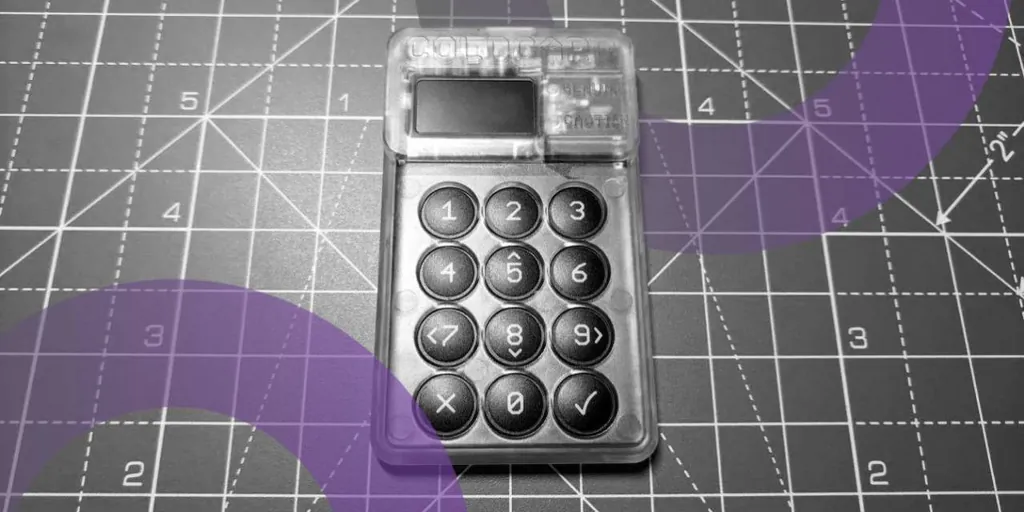
Hardware wallet maker Trezor confirmed on Nov. 12 that three Trezor Safe 5 devices bought from Southeast Asian reseller CryptoBilis contained hidden electronic components designed to capture sensitive data. The devices were purchased between Aug. 20 and Sept. 23 through CryptoBilis's Tokopedia and Shopee storefronts and through direct sales. Trezor's security team physically examined one device and identified the other two from photographs supplied by their owners.
The implant was a separate circuit board installed between the wallet's main board and its display. It did not modify the firmware or the Secure Element, but it could observe what the screen showed. According to Trezor, that included recovery phrases during setup or restoration, along with passphrases displayed on the device. The captured data was encrypted and sent over a mobile network to an attacker-controlled server, and when connectivity was unavailable the implant stored the data and retried later.
Firmware Response and Its Limits
Trezor released firmware version 2.13.1 on Nov. 11 to disable the identified implants. The company says the update stops those components from collecting further information on devices running it. It does not, however, invalidate a recovery phrase that an attacker may already hold. Anyone with a recovery phrase can potentially restore control of the associated assets without the original hardware, so the update addresses future capture rather than past exposure.
For that reason Trezor is telling affected buyers to create a wallet with a new seed and move their funds there. Loading the old backup onto new hardware does not resolve the exposure, because the old seed is the thing that may have been taken. The company is also tightening controls on device sourcing, storage and access, which targets the distribution path before a secret can be exposed.
Connection to the Ledger Incident
The Trezor findings follow an October supply-chain incident involving CryptoBilis and Ledger hardware wallets. Blockchain analytics firm Bitquery has traced roughly $102 million in losses across 335 wallets on six blockchains, while earlier reporting tied the thefts to more than $86 million. The two figures come from different methodologies and time windows, and the sources available do not reconcile them. Ledger confirmed finding a malicious hardware implant in one customer's device, but investigators have not established that the implant caused every reported loss.
Taken together, the incidents point to a weakness in hardware-wallet distribution: an attacker who can modify a genuine device before it reaches the customer can compromise the recovery phrase without breaching the firmware or the chip. Trezor's firmware assurance covers the implants it has identified. It does not establish that every buyer's seed was captured, that any particular loss is attributable to these devices, or that customer migration is complete.
What Buyers Should Take From This
Trezor's guidance is that owners of affected devices should treat any recovery phrase shown on those devices as potentially exposed. That means generating a new seed on a clean device, moving funds, and retiring the old wallet. Updating firmware alone does not clear the risk. The company has not published a count of affected units or a completed migration figure, so the scale of exposure remains unquantified.
Why It Matters
For Traders
Holders of funds on affected Safe 5 devices should expect migration activity and treat old recovery phrases as compromised, not just the devices themselves.
For Investors
Repeated supply-chain attacks on hardware wallets raise questions about distribution controls that could shape trust in self-custody products over several months.
For Builders
Wallet teams should audit reseller and logistics chains and treat device-level tampering as a threat model distinct from firmware compromise.
This article is for information only and is not financial advice. Read the full disclaimer.