Ledn Launches US Custody Account for Bitcoin, Gold and Stablecoins
Bitcoin lender Ledn launched Ledn Custody, a US account letting eligible clients hold and trade bitcoin, gold, stablecoins and dollars with a 0.5% spread and no trading fees. The move brings US clients onshore to a US entity with a US custodian, and competes directly with consumer trading apps.
Written by CoinArticle’s AI Newsroom · from 2 cited sources. How we work
What Ledn Launched
Bitcoin lender Ledn said it launched Ledn Custody on Tuesday, an account that lets eligible U.S. clients hold bitcoin, gold, stablecoins and U.S. dollars and buy, sell and swap between them in one place. The company says it charges no trading fees and applies a 0.5% spread. Rollout to eligible U.S. individual clients begins over the coming days.
The launch also moves Ledn's U.S. clients, previously served from its Cayman Islands entity, to a U.S. company with a U.S. custodian. BitGo Bank & Trust, a unit of BitGo (BTGO), provides custody and trading services behind the account. Assets are held for each client by an independent qualified custodian, segregated from Ledn's own assets and never lent out for interest.
Pricing Against Consumer Apps
Ledn's own analysis of published October fees puts a standard bitcoin purchase on the most popular U.S. apps at roughly 0.9% to 1.25% once trading fees and spread are included. On a $1,000 purchase, that is about $5 at Ledn against $9 to $12.50 elsewhere. The comparison comes from Ledn, not an independent audit, and the figures apply to purchases on the named apps as of October.
The pricing puts Ledn in direct competition with the trading apps where many Americans buy their first bitcoin. Until now, most of Ledn's U.S. clients bought bitcoin elsewhere and transferred it in to borrow against it. The new account brings that first purchase in-house, from buying through to borrowing.
Lending Business and Track Record
Ledn has lent against bitcoin since 2018 and says it has serviced more than $11 billion in loans. The company says it returned every client's collateral across two full market cycles, including the 2022 collapses of Celsius, BlockFi and Voyager, and it publishes monthly loan book and proof-of-reserves data. Those claims are company statements.
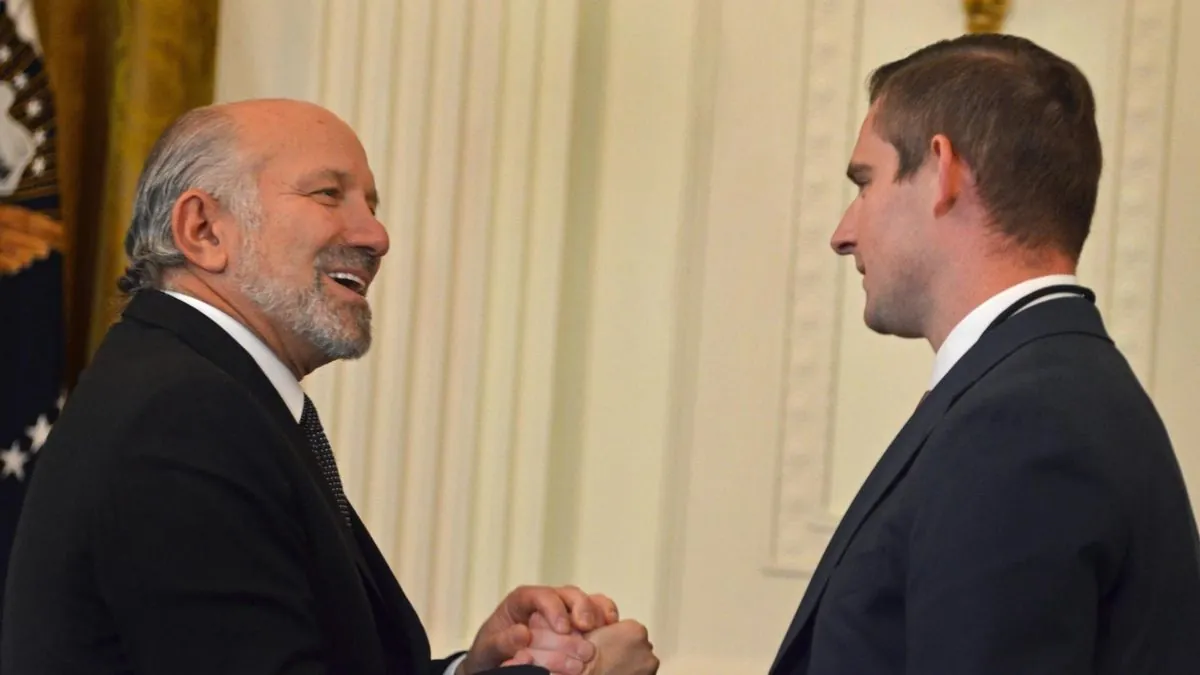
Ledn co-founder and Chief Strategy Officer Mauricio Di Bartolomeo said clients want to hold hard assets in one place and can now borrow against bitcoin instead of selling it, "with gold to follow." Co-founder and CEO Adam Reeds said the company wants to be "the reliable, stable place where people build their wealth, not a platform with a million features built for trading."
Market Size and Policy Backdrop
A May survey cited by Ledn found more than 67 million Americans own crypto, about one in four U.S. adults. Competition for bitcoin borrowers is also rising, with Cross River Bank launching its first bitcoin-backed loans this week.
The onshoring move follows public statements from Washington. Treasury Secretary Scott Bessent said in May that crypto's problems stem from "the wild, wild west offshore," adding, "we got to bring it onshore." The Clarity Act, the market structure bill he urged Congress to pass, stalled in the Senate in September.
Funding and Next Steps
Ledn has funded its lending through capital markets, including $188 million in bitcoin-backed bonds sold in February. Ledn plans to add lending against gold and open more U.S. states in the coming weeks, according to the company.
Why It Matters
For Traders
Clients who bought bitcoin on Ledn's account will face a 0.5% spread instead of the higher all-in costs of some consumer apps, though pricing claims rest on Ledn's own October comparison.
For Investors
Onshoring a crypto lender into a US entity with an independent custodian signals a push toward regulated, custody-separated models that may shape how bitcoin-backed credit is structured.
For Builders
Pairing custody segregation, BitGo's custody and trading rails, and a bitcoin-backed credit line in one account shows an integrated model others building on US custodians may replicate.
This article is for information only and is not financial advice. Read the full disclaimer.