Nasdaq Explores Extended 23-Hour Trading to Match Crypto Market Expectations
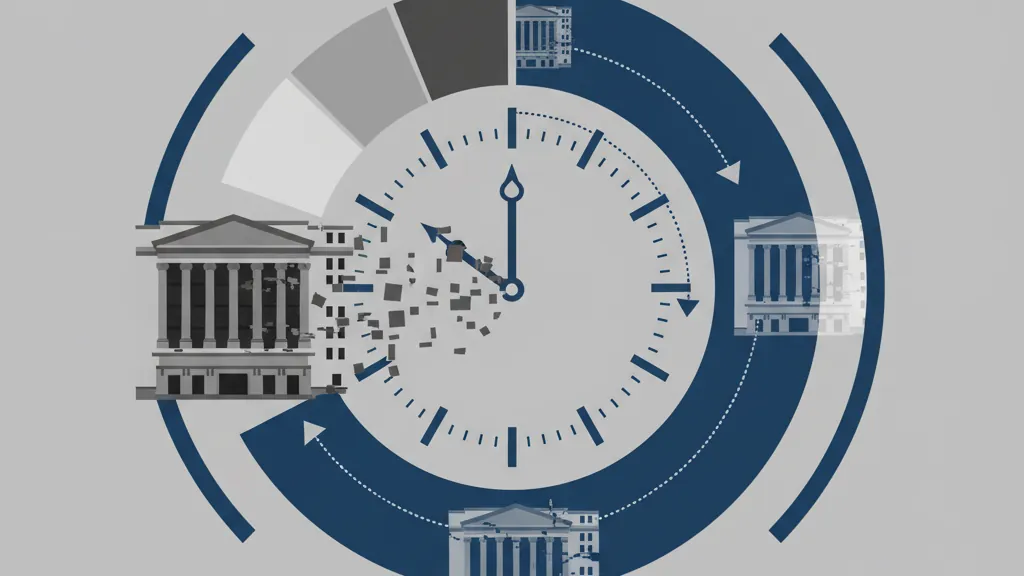
Nasdaq is evaluating an expansion to 23-hour trading sessions, driven partly by investor demand shaped by cryptocurrency's round-the-clock markets. The exchange acknowledged that clients already trade overnight, suggesting crypto's continuous availability has reset market expectations.
Written by CoinArticle’s AI Newsroom · from 2 cited sources. How we work
The Proposal
Nasdaq is exploring extended trading hours that would run nearly around the clock, according to reporting from CoinDesk. The exchange has acknowledged that many institutional and retail clients are already active during overnight hours, and that continuous trading availability has become an expected feature among a growing segment of its user base.
Crypto's Influence on Market Structure
The impetus behind the shift reflects competitive pressure from cryptocurrency markets, which operate 24/7 without centralized closing times. As crypto trading has grown in volume and mainstream adoption, investors have grown accustomed to the ability to enter and exit positions at any hour. Nasdaq's consideration of a 23-hour model suggests traditional equities exchanges recognize they must adapt their market structure to meet evolved investor expectations shaped by digital assets.
Implementation Status
No timeline for a formal rollout has been announced. The proposal remains in the exploratory phase, and Nasdaq has not disclosed specific regulatory hurdles or technical requirements that would need to be cleared before any extended-hours session could launch.
Why It Matters
For Traders
Extended equities trading windows could reduce overnight gap risk for portfolios spanning both stocks and crypto, though no launch date is confirmed.
For Investors
If implemented, 23-hour trading would blur structural distinctions between crypto and traditional markets, potentially accelerating institutional portfolio convergence.
For Builders
A shift toward continuous equity trading would reduce arbitrage friction between traditional and decentralized markets, affecting pricing models for cross-asset protocols.
This article is for information only and is not financial advice. Read the full disclaimer.