Dutch Central Bank Approves Qivalis E-Money License for Euro Stablecoin
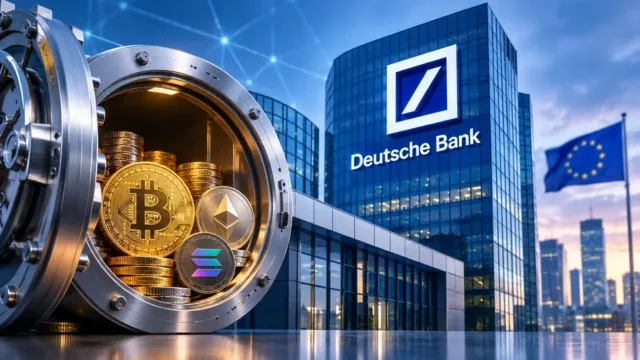
The Dutch central bank granted Qivalis an e-money license to operate a MiCA-compliant euro token backed by a consortium of 37 banks including BBVA, BNP Paribas, and ING. The token has not yet launched, and analysts question whether institutional backing alone will drive user adoption.
Written by CoinArticle’s AI Newsroom · from 3 cited sources. How we work
Story Updates
- Updated Oct 15, 2026, 12:01 PM: Added reporting that token has not yet launched and market adoption remains uncertain despite regulatory approval.
License Grant and Regulatory Standing
The Dutch central bank approved Qivalis for an e-money license, authorizing the consortium to issue an onchain euro settlement token compliant with the European Union's Markets in Crypto-Assets Regulation (MiCA). The approval follows months of regulatory engagement and positions Qivalis as one of the first bank-backed stablecoin projects to secure formal authorization under the EU's comprehensive crypto framework that took effect in December 2023.
Banking Consortium and Distribution Model
Qivalis is a 37-bank venture that includes major European lenders BBVA, BNP Paribas, and ING. The consortium plans to distribute the token through established financial intermediaries rather than direct retail channels, mirroring the model used by other institutional stablecoin projects. Token issuance has not yet begun, despite the license grant, and the project has not announced a specific launch date.
User Adoption Remains Uncertain
The license approval removes regulatory barriers but does not guarantee market traction. Institutional backing from 37 major banks could provide an unusually broad distribution route compared to prior stablecoin ventures, yet market adoption will depend on whether financial intermediaries and traders actually integrate the token into workflows. The approval signals regulatory clarity in Europe but leaves open the question of whether banks can compete in crypto markets against established stablecoin alternatives like USDC and USDT.
Significance for European Stablecoin Infrastructure
The approval reflects a shift toward regulated onchain euro settlement. Unlike earlier stablecoin initiatives that operated in regulatory gray zones, Qivalis holds explicit authorization to operate under MiCA, which imposes capital, liquidity, and transparency requirements on e-money token issuers. The license removes a key compliance barrier for European financial institutions seeking to settle transactions on public blockchains using euros.
Why It Matters
For Traders
EUR-to-crypto pairs on compliant platforms may gain a regulated settlement layer, but adoption depends on exchanges and intermediaries actually integrating the token into trading flows.
For Investors
Bank-backed stablecoins signal institutional adoption of blockchain settlement, though regulatory approval alone does not guarantee market share against entrenched competitors.
For Builders
MiCA compliance path for euro tokens is now demonstrated; projects can reference Qivalis's license structure when negotiating with regulators in other EU jurisdictions.
This article is for information only and is not financial advice. Read the full disclaimer.