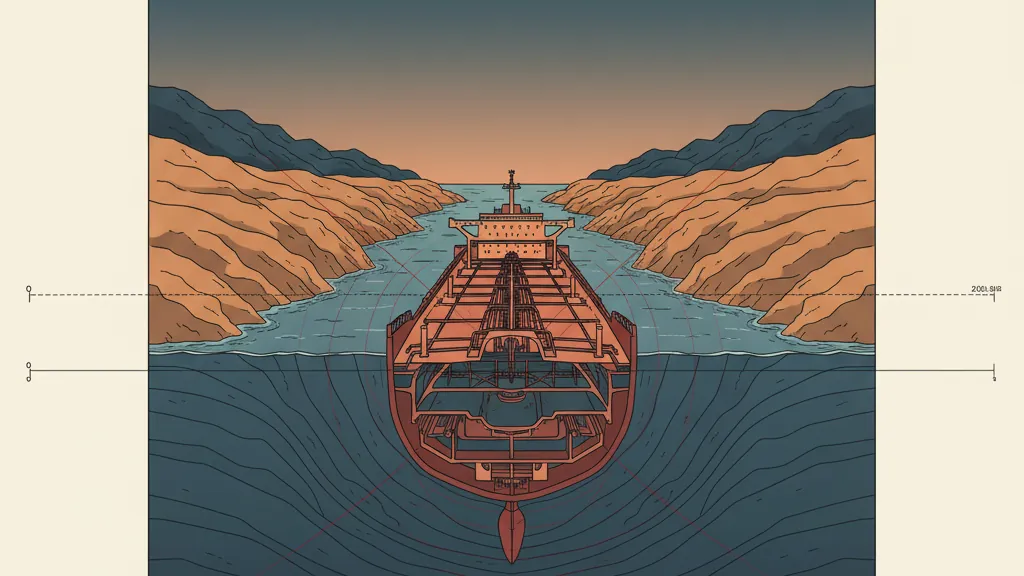
Oil Supply Fears Push WTI Crude Toward $110 Amid Hormuz Tensions
Geopolitical tensions around the Strait of Hormuz are pressuring crude oil prices upward, with WTI approaching $110 per barrel. Sustained supply disruptions could keep energy costs elevated and ripple through global markets and cryptocurrency collateral valuations.
Written by CoinArticle’s AI Newsroom · from 1 cited source. How we work
Strait of Hormuz and Oil Supply Risk
The Strait of Hormuz, through which roughly one-third of global seaborne oil passes annually, faces renewed closure risk amid escalating regional tensions. Disruption at this chokepoint would immediately constrain global crude supply and trigger rapid price movement across commodities and energy-linked markets.
Price Pressure and Market Spillover
WTI crude oil has moved toward $110 per barrel as traders price in supply-disruption scenarios. Sustained elevation in crude prices typically increases costs for transportation, manufacturing, and power generation, weighing on consumer inflation and central bank policy decisions. Higher energy costs can also reduce the collateral value of energy-sector borrowing, a consideration for leveraged traders across asset classes including cryptocurrency.
Why It Matters
For Traders
Elevated oil prices increase funding costs and reduce risk appetite; correlated drawdowns in risk assets including crypto are historically common during energy-supply shocks.
For Investors
Persistent crude elevation pressures inflation expectations and may delay rate cuts, affecting duration-sensitive assets; macro volatility tends to precede crypto volatility.
For Builders
Energy-dependent infrastructure costs (validator operations, data center hosting) may rise; protocols with large on-chain energy footprints face operational margin pressure.
This article is for information only and is not financial advice. Read the full disclaimer.