Osmosis Token Surges 200% on Liquidity Inflows and Trading Volume
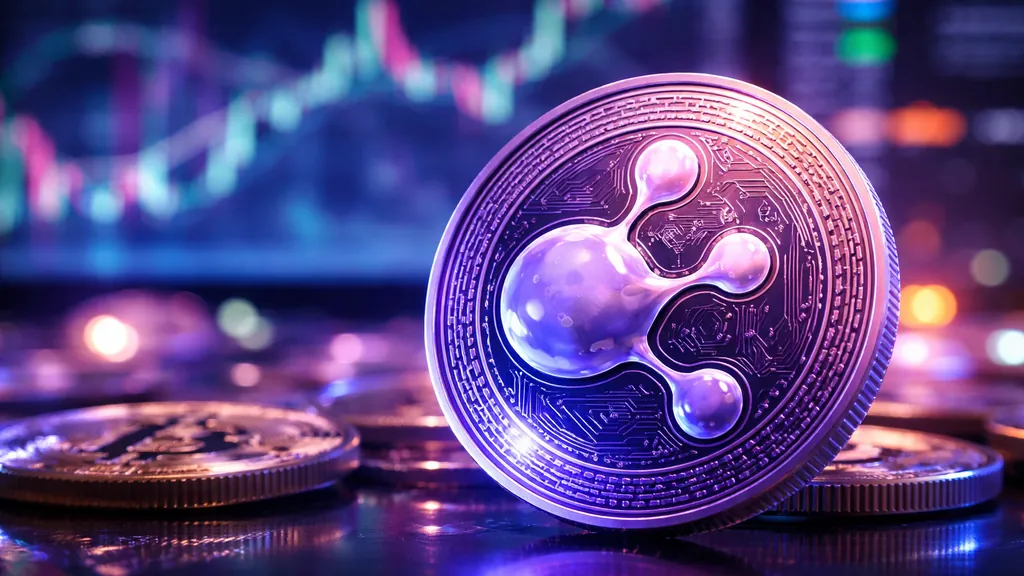
Osmosis (OSMO) rose approximately 200% over 24 hours to around $0.065, driven by increased trading volume and liquidity inflows. The rally follows Cosmos governance's rejection of a proposal that would have affected Osmosis's independence.
Written by CoinArticle’s AI Newsroom · from 1 cited source. How we work
What Drove the Move
Osmosis traded up roughly 200% in 24 hours, rising from a low near $0.034 to approximately $0.065 per token. The surge coincided with elevated trading volume and net inflows of liquidity into the protocol's pools, according to the source material. The exact trigger for the liquidity influx was not specified in available reporting.
Governance Context
Cosmos governance recently rejected a proposal that would have altered Osmosis's operational independence. The rejection reinforced Osmosis's status as a standalone protocol within the Cosmos ecosystem, which may have reassured liquidity providers and traders about the platform's future direction and control structure.
Technical Levels
Osmosis is currently testing $0.065 as a support level. The next meaningful resistance sits at $1.00 per token, representing roughly a 15-fold move from current prices. Traders are monitoring whether the token can sustain the rally above its recent entry point or face a pullback toward lower support levels.
Why It Matters
For Traders
OSMO at $0.065 faces key resistance at $1; conviction about sustained liquidity inflows will determine whether the 200% move holds or reverts within hours.
For Investors
A governance rejection favoring protocol independence may stabilize Osmosis's positioning within Cosmos, though the long-term structural value of the DEX remains sensitive to TVL retention.
For Builders
Osmosis's liquidity pool conditions are changing rapidly; builders integrating with Osmosis should monitor slippage and fee tier dynamics before executing large swaps.
This article is for information only and is not financial advice. Read the full disclaimer.