South Korea Delays Crypto Gains Tax to 2029, Fourth Postponement Since 2020
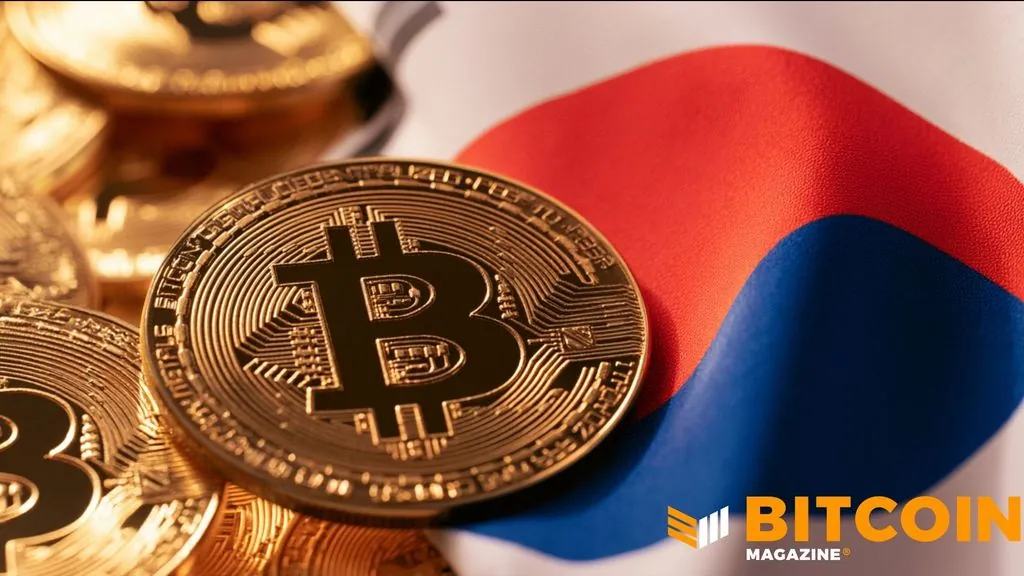
South Korea is postponing its 22% tax on cryptocurrency gains until 2029, the fourth delay since the tax was originally scheduled for 2020. The government cited gaps in overseas trading data and concerns about taxing domestic investors as reasons for the deferral.
Written by CoinArticle’s AI Newsroom · from 2 cited sources. How we work
The Delay and Its Rationale
South Korea's government announced it will postpone the implementation of a 22% capital gains tax on cryptocurrency profits until 2029, according to statements from both Crypto.news and Crypto Briefing. The delay marks the fourth postponement of the tax since it was originally scheduled to take effect in 2020. South Korean officials cited two primary reasons for the extension: incomplete data on overseas cryptocurrency trading activity and concerns about the fairness of taxing domestic investors before closing information gaps on foreign exchanges.
Pattern of Regulatory Postponement
The repeated deferral underscores ongoing challenges in South Korea's approach to cryptocurrency regulation. Since first proposing the 22% tax in 2020, policymakers have repeatedly pushed back the implementation date as infrastructure and data collection efforts lagged. The latest postponement to 2029 suggests the government views the current regulatory and technological readiness as insufficient to enforce a comprehensive gains tax across both domestic and international trading venues.
Market and Investor Implications
The extended timeline may temporarily reduce regulatory uncertainty for Korean investors active in the spot and derivatives markets. However, the continued postponement highlights structural gaps in how regulators monitor and tax activity on overseas platforms, a challenge that many crypto-active jurisdictions face as trading increasingly occurs on decentralized exchanges and foreign-registered venues.
Why It Matters
For Traders
Korean investors avoid near-term tax liability on 2024–2028 gains, reducing selling pressure from tax-loss harvesting but extending regulatory uncertainty.
For Investors
The fourth delay signals regulatory infrastructure challenges in Korea remain unresolved; long-term tax exposure for Korean holders remains undefined through 2029.
For Builders
The postponement suggests Korean regulators lack real-time cross-exchange settlement and reporting systems; decentralized alternatives may appeal during this window of limited compliance enforcement.
This article is for information only and is not financial advice. Read the full disclaimer.