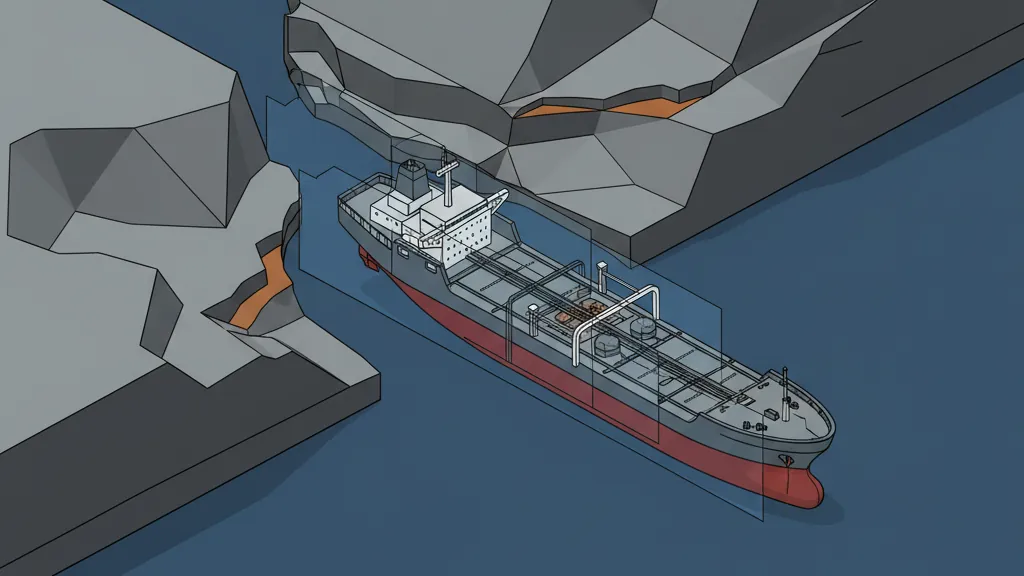
Strait of Hormuz Closure Cuts Qatar Gas Exports, Pressuring Energy Markets
Qatar has halted gas exports after the Strait of Hormuz remained closed amid regional conflict, disrupting one of the world's critical energy chokepoints. The closure threatens global LNG supply and underscores broader vulnerabilities in international trade infrastructure.
Written by CoinArticle’s AI Newsroom · from 1 cited source. How we work
The Halt
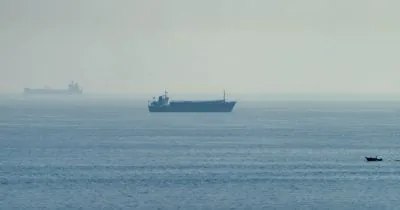
Qatar suspended gas exports following the continued closure of the Strait of Hormuz, a waterway through which roughly one-third of global seaborne liquefied natural gas (LNG) passes. The halt affects Qatar's LNG shipments, which represent a significant portion of global LNG supply. No timeline for resumption has been announced.
Broader Energy Instability
The closure of the Strait of Hormuz exposes vulnerabilities in international energy infrastructure and global trade routes. The disruption compounds existing energy market pressures and adds to uncertainty around commodity prices and supply chains. Analysts note that prolonged closure could create cascading effects across energy markets worldwide.
Market Context
Qatar is one of the world's largest LNG exporters. Any sustained halt in its exports typically reverberates through global energy markets, affecting both spot prices and long-term supply contracts. The closure of a critical shipping corridor raises questions about the resilience of global trade infrastructure during periods of geopolitical tension.
Why It Matters
For Traders
Energy price volatility from LNG supply disruption may correlate with crypto market moves; monitor crude and natural gas futures for directional signals.
For Investors
Sustained energy instability typically drives macro risk-off sentiment, which historically pressures risk assets including crypto during flight-to-safety episodes.
For Builders
Rising energy costs for mining operations and blockchain node infrastructure could compress margins; chains with high computational overhead face increased operational expense.
This article is for information only and is not financial advice. Read the full disclaimer.