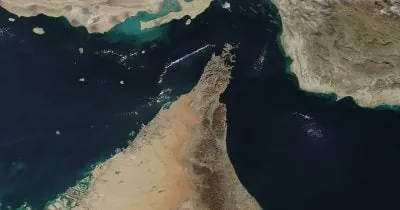
Oil Supply Disruption in Strait of Hormuz Signals Macro Headwinds for Crypto
A disruption in the Strait of Hormuz, a critical chokepoint for global crude oil shipments, has exposed vulnerabilities in international energy supply chains. The event underscores macroeconomic volatility that historically correlates with shifts in risk-asset demand, including cryptocurrencies.
Written by CoinArticle’s AI Newsroom · from 1 cited source. How we work
What Happened
Oil supply flows through the Strait of Hormuz, which transits roughly 20% of the world's seaborne crude, have been disrupted. The exact cause and duration remain unclear from available reporting, but market data shows crude inventories elevated relative to current demand, suggesting a temporary surplus downstream as supply logistics resolve.
Market Implications
The disruption exposes structural fragility in global energy infrastructure. Even temporary stoppages in this chokepoint typically trigger volatility across commodity and equities markets within hours. Historically, such macro shocks correlate with shifts in speculative positioning, including crypto asset allocations, as traders reassess risk and liquidity across correlated markets.
Why It Matters for Crypto Investors
Energy price shocks often precede broader inflation or stagflation concerns, which reshape central bank policy expectations and thus affect real yields on non-productive assets like Bitcoin. The current surplus in crude suggests markets have not yet priced in downstream disruption costs or potential geopolitical escalation, creating uncertainty for macro-correlated assets over the next 2-4 weeks.
This article is for information only and is not financial advice. Read the full disclaimer.