Tether Freezes 130+ ISIS-Linked Wallets Following U.S. Treasury Sanctions
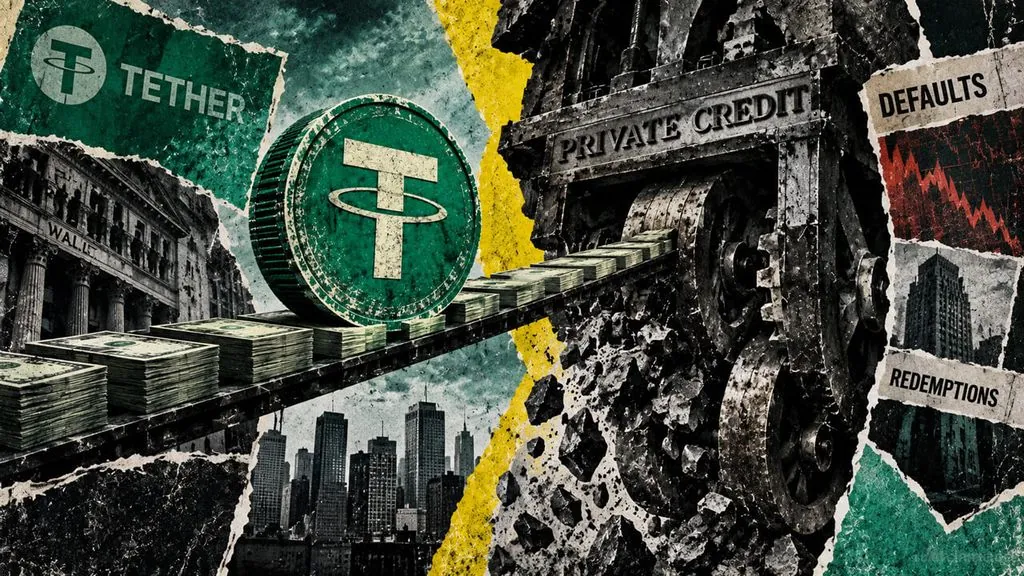
The U.S. Treasury Department sanctioned over 130 Tron wallets linked to a Central Asian ISIS affiliate, with Tether freezing the USDT holdings in those accounts. The action marks a significant deployment of stablecoin issuer controls as real-time sanctions enforcement infrastructure.
Written by CoinArticle’s AI Newsroom · from 2 cited sources. How we work
Treasury Action and Tether Response
The U.S. Treasury Department's Office of Foreign Assets Control (OFAC) added more than 130 Tron wallets connected to a Central Asian ISIS affiliate to its sanctions list. Tether responded by freezing USDT in those wallets, preventing the designated addresses from moving or spending the stablecoin. The exact wallet count varies slightly across reporting—CryptoSlate cited 131 wallets while Decrypt reported over 130—but both confirmed the funds were immobilized.
On-Chain Enforcement as Policy Tool
The freeze demonstrates how public-blockchain analysis and stablecoin issuer controls have become active instruments of financial sanctions in real time. Unlike traditional banking systems where fund freezes require weeks of settlement and intermediary coordination, Tether's ability to blacklist addresses on Tron allows OFAC designations to take effect within hours or minutes. The wallets remain visible on-chain but are functionally unusable for their intended purpose, creating what amounts to a transparent enforcement record.
Broader Implications
The action underscores a structural shift in how stablecoins operate: they are no longer passive transfer rails but active chokepoints controlled by issuers in jurisdictions subject to U.S. law. This capability has amplified the risk profile of holding USDT or other centralized stablecoins in any wallet, as issuer-level freezes now sit alongside network-level transactions and exchange controls as potential points of asset seizure. Protocol developers and wallet operators have limited recourse once OFAC issues a designation.
Why It Matters
For Traders
USDT holders should understand that issuer-level freezes are now an operational risk; exchange or DEX holdings of blacklisted addresses are at direct risk of immobilization.
For Investors
Stablecoin regulation and enforcement are now visible in real time and weaponized at scale; this shifts the risk calculus for holding USDT versus alternatives or cash.
For Builders
Smart contracts and protocols holding USDT must account for the possibility of issuer-initiated freezes; decentralized stablecoin alternatives may gain adoption pressure.
This article is for information only and is not financial advice. Read the full disclaimer.