US Treasury Sanctions Seven Tron Addresses Tied to Tren de Aragua ATM Network
The U.S. Treasury Department's OFAC division added seven Tron addresses to its sanctions list, alleging they facilitated ATM jackpotting operations by Tren de Aragua, a Venezuelan criminal organization. Chainalysis and TRM Labs linked the wallets to money laundering networks connected to Mexican, Colombian, and Venezuelan criminal groups.
Written by CoinArticle’s AI Newsroom · from 2 cited sources. How we work
The Sanctions Action
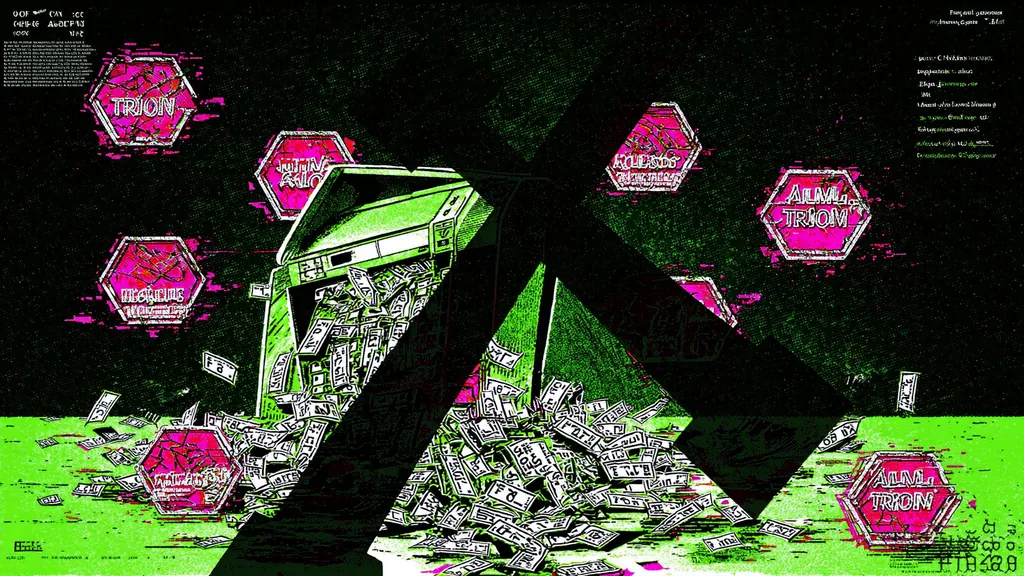
The U.S. Treasury Department added seven addresses on the Tron blockchain to its Office of Foreign Assets Control (OFAC) sanctions list, citing alleged ties to Tren de Aragua's ATM jackpotting operation. ATM jackpotting refers to techniques used to forcibly extract cash from automated teller machines, a tactic attributed to the Venezuelan criminal organization.
Intelligence Behind the Designations
Chainalysis identified the wallets' counterparties as having exposure to money laundering networks used by Mexican and Colombian cartels as well as Venezuelan launderers, according to The Defiant. TRM Labs, cited by Crypto.news, conducted a separate analysis reaching similar conclusions about the criminal nexus. The two blockchain intelligence firms independently traced transaction patterns linking the sanctioned addresses to organized crime activity across multiple jurisdictions.
Broader Context for Tron
This marks another enforcement action targeting addresses on the Tron network. The designation reflects U.S. regulators' continued focus on preventing stablecoins and on-chain assets from facilitating cash-out schemes and money laundering by transnational criminal organizations.
Why It Matters
For Traders
TRON trading pairs saw no immediate volatility following the announcement, but recurring sanctions actions may increase exchange compliance scrutiny on Tron transfers.
For Investors
Growing OFAC activity on major Layer 1 networks signals regulators view them as material channels for criminal finance; compliance costs for protocols and exchanges handling these assets may rise.
For Builders
Tron-based applications should strengthen transaction monitoring and AML screening to avoid downstream liability if user funds touch sanctioned addresses.
This article is for information only and is not financial advice. Read the full disclaimer.