U.S. Treasury's Proposed Regulations for Stablecoin Firms: What You Need to Know
The U.S. Treasury is proposing new regulations for stablecoin firms to enhance oversight and prevent illicit activities. This move is aimed at aligning stablecoin operations with traditional financial systems while addressing concerns over misuse.
Written by CoinArticle’s AI Newsroom · from 1 cited source. How we work
U.S. Treasury Proposes New Demands for Stablecoin Firms
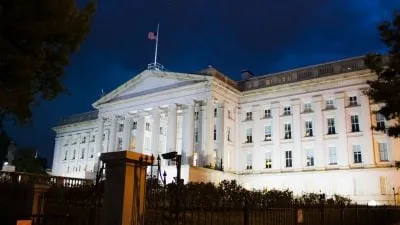
In a significant move to bolster regulatory oversight in the cryptocurrency sector, the U.S. Treasury is set to propose new requirements mandating stablecoin firms to actively monitor and manage fraudulent or illicit transactions. This initiative embodies an ongoing effort to align the operations of stablecoin issuers with those of traditional financial institutions, addressing increasing concerns about the potential misuse of digital currencies.
According to insights from CoinDesk, the forthcoming regulations will require stablecoin companies to establish robust mechanisms to detect, prevent, and report any transactions deemed unlawful. By treating stablecoin firms similarly to banks and other financial entities, the Treasury aims to ensure accountability and responsibility within the stablecoin ecosystem, which has faced scrutiny for its susceptibility to money laundering and other unethical activities.
Regulatory Landscape
Stablecoins—digital currencies pegged to assets such as the U.S. dollar or gold—play a critical role in the cryptocurrency market. They serve as a vital bridge between fiat currencies and blockchain technology, providing stability in a landscape often plagued by volatility. However, as their popularity surges, so do the concerns regarding regulation and potential misuse. The Treasury's initiative represents a decisive shift in how these assets will be governed, emphasizing compliance and consumer protection.
This proposed rule is likely to impact a diverse range of stakeholders, including developers, investors, and users. As regulators continue to scrutinize the crypto market, stablecoin issuers will need to reassess their compliance frameworks, which may involve significant investments in technology and processes to meet the new regulatory standards.
Why It Matters
For Traders
Traders may witness increased volatility in stablecoin markets, as regulatory news often influences sentiment and trading volumes. The proposed demands could reshape the operating environment for stablecoin exchanges, leading to changes in liquidity and market dynamics.
For Investors
For investors, the U.S. Treasury's actions highlight the critical importance of regulatory frameworks in emerging sectors like cryptocurrency. Heightened compliance and oversight may enhance the legitimacy of stablecoins as an investment vehicle, potentially leading to broader adoption and integration into traditional finance.
For Builders
For builders in the crypto space, the anticipated regulatory requirements will necessitate significant adjustments to their technological infrastructures. Companies involved in blockchain solution design and development will need to prioritize compliance features, creating challenges but also opportunities for innovation, as firms that successfully incorporate compliance solutions may gain competitive advantages.
As these developments unfold, stakeholders must remain agile and responsive to the evolving regulatory landscape governing the burgeoning world of stablecoins and their integral role in the financial ecosystem.
This article is for information only and is not financial advice. Read the full disclaimer.